Scientific Name:
Soliva sessilis
What is Bindii?
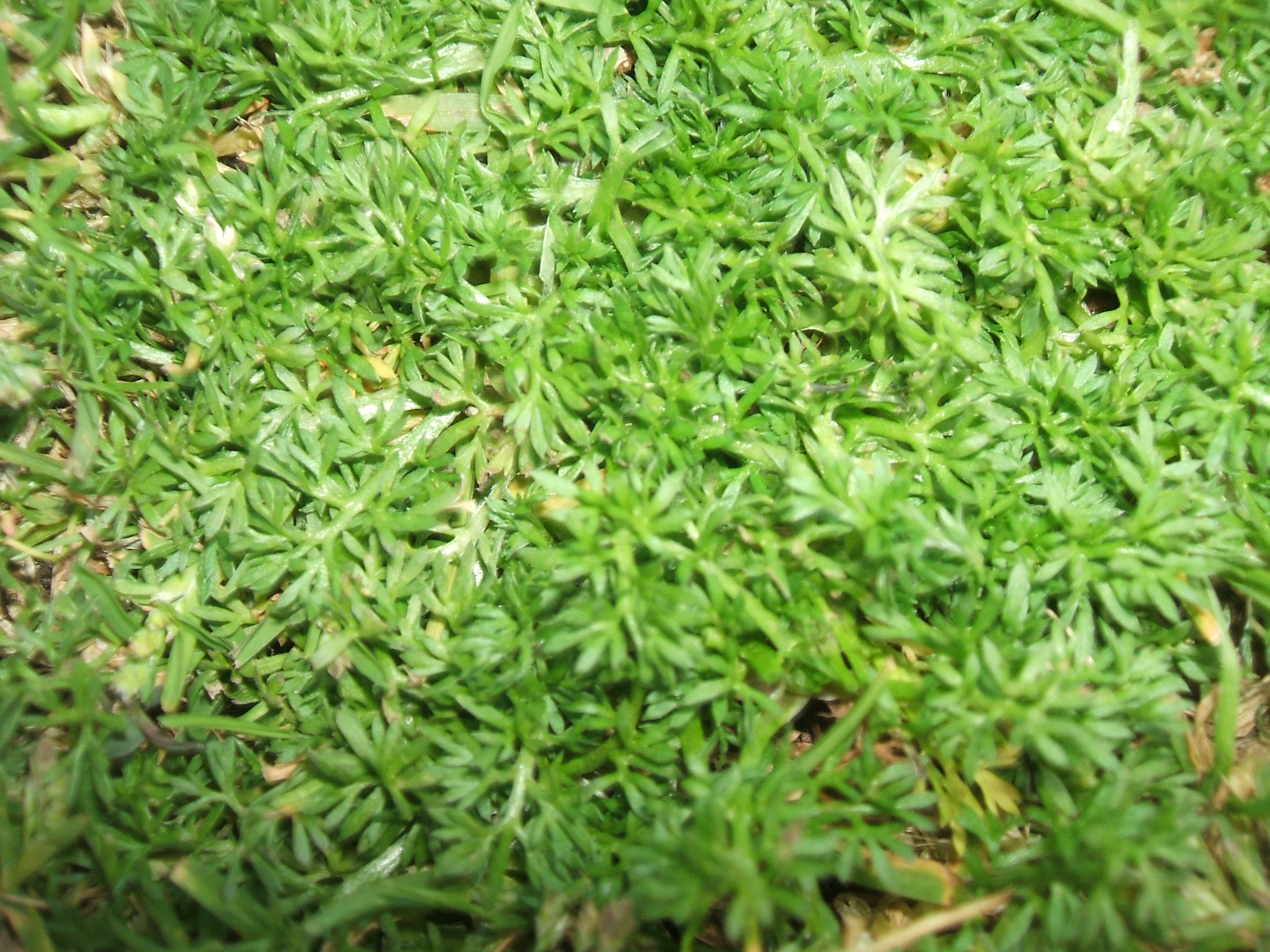
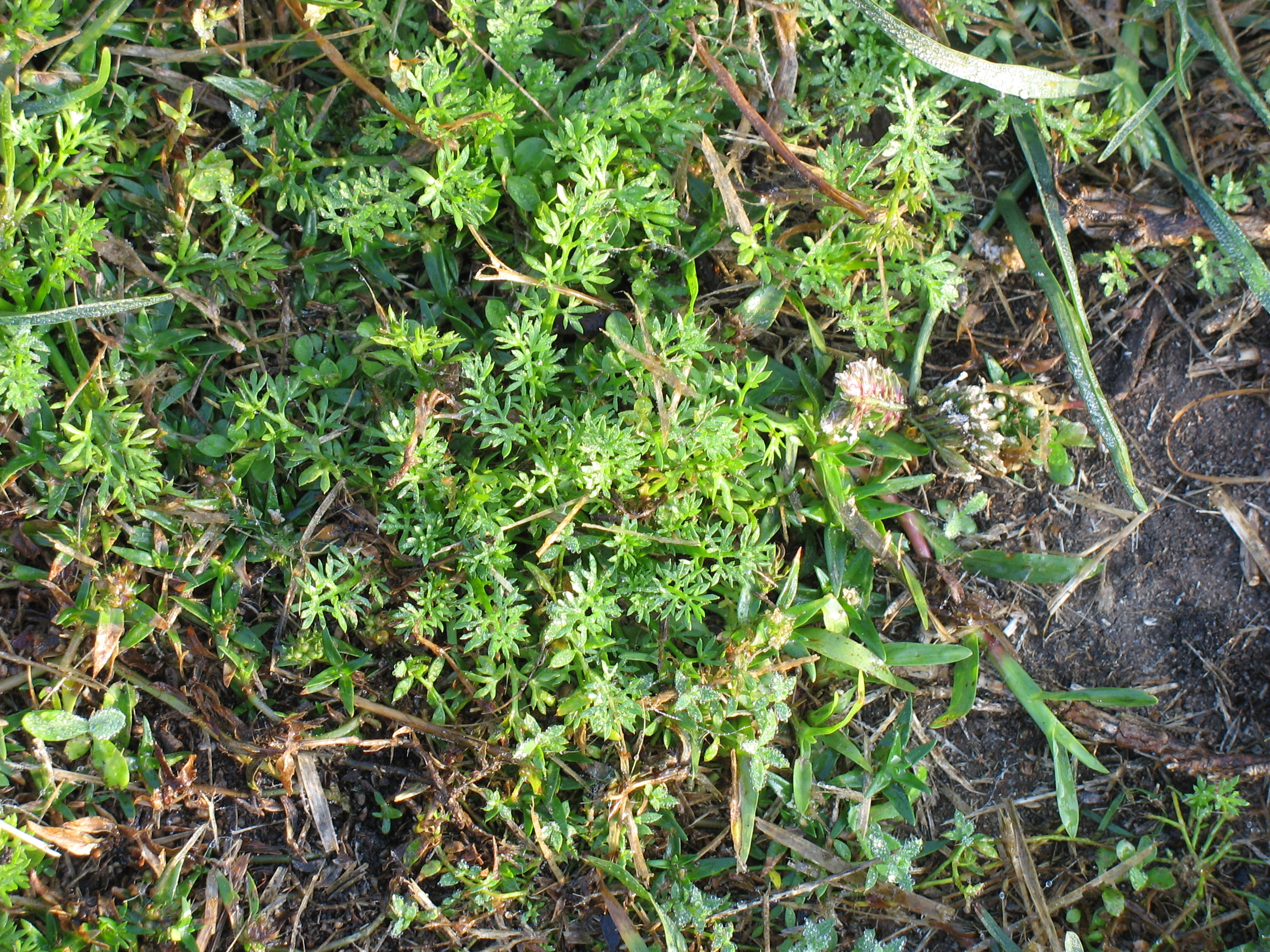
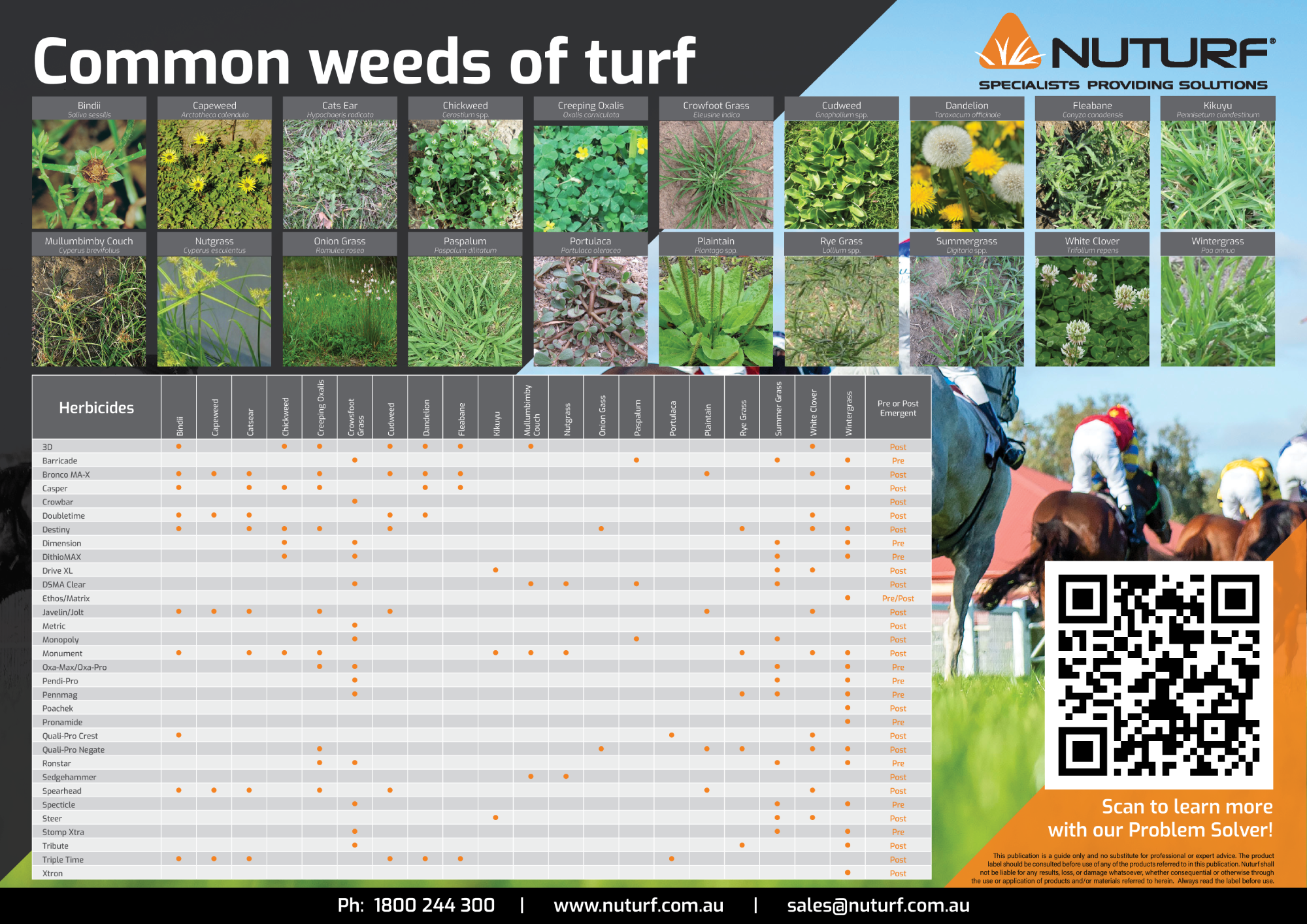
Bindii is a winter annual weed that grows low to the ground in a rosette-forming pattern. It is known for spreading outward by rooting at its nodes, which helps it form multiple rosettes and quickly take over thin or stressed turf areas.
Its leaves are small, green and resemble carrot foliage, but are clustered tightly around the centre of the rosette. From this centre, the plant produces a compact seed head made of sharp, tapered seeds. These seeds stay soft and fairly inconspicuous through winter, but by spring they harden into painful prickles, making bindii a major nuisance for turf areas and anyone walking barefoot on lawn surfaces.
Although most people only notice bindii once the prickles appear, early intervention is key treating the plant before the seeds harden offers the best control results.
Signs of Damage & What It Does to Turf
You may be dealing with Bindii if you observe:
-
Low-growing, circular rosette patches in turf
-
Leaves resembling small, bunching carrot-like foliage
-
Plants spreading outward by forming new rosettes at nodes
-
Sharp prickles forming in spring (mature seed heads)
Impact on Turf & Landscapes
Bindii causes several problems:
-
Produces painful, spiked seeds that stick into feet, shoes and pet paws
-
Reduces turf quality and density as it spreads
-
Creates patchy, weak areas where turf is easily invaded by other weeds
-
Becomes difficult to manage once seeds harden and spread
-
Can dominate winter turf when left uncontrolle
How to Control Bindii
Early-Season Control (Most Effective)
-
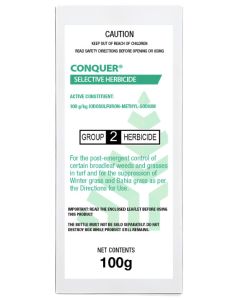
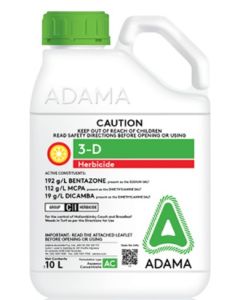
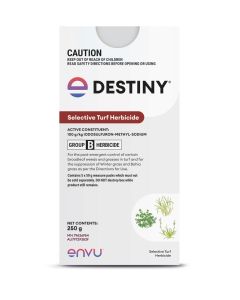
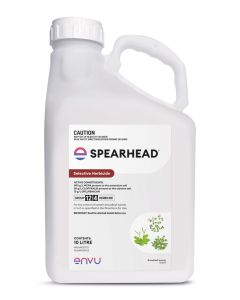
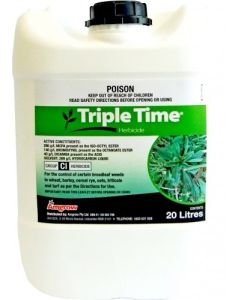
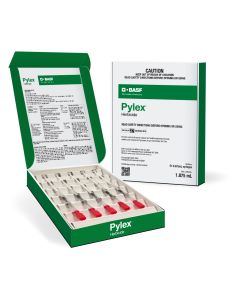
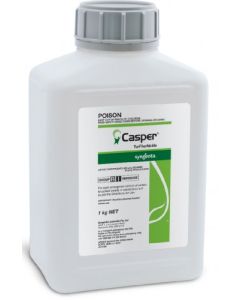
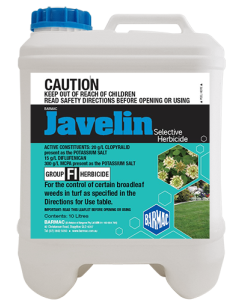
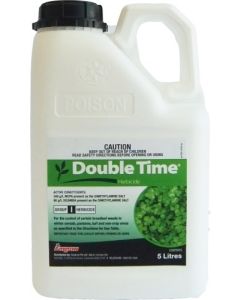
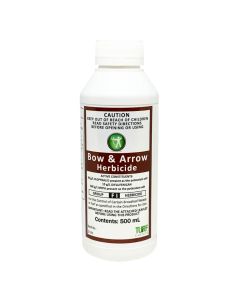
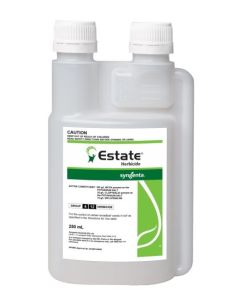
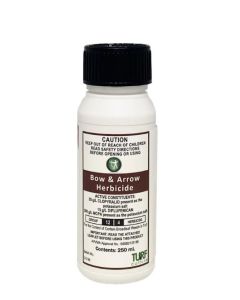
Apply selective broadleaf herbicides during winter to early spring, while Bindii is still soft and immature.
-
Treat before seed heads harden to prevent prickles and seed spread.
Cultural & Mechanical Control
-
Maintain dense, healthy turf to reduce open spaces where Bindii can establish.
-
Hand removal is possible when weeds are young, but becomes difficult once rosettes multiply.
-
Regular mowing can reduce spread but will not eliminate the weed.
Late-Season Control
-
Once seeds harden, control options become limited.
-
Follow up with herbicide treatments, but expect prickles to remain until turf growth resumes.
-
Plan for early intervention next season
Common Questions About Bindii (FAQs)
-
Why does Bindii hurt so much? Because its seeds harden into sharp, spiked burrs in spring, which easily pierce skin or shoes.
-
When is the best time to treat Bindii? Winter to early spring before the prickles form.
-
Can mowing prevent Bindii? Mowing helps reduce spread but does not prevent seed formation.
-
Does Bindii come back every year? Yes, it is an annual weed that returns from seed if not controlled early.
-
Why does Bindii spread quickly? It roots at the nodes and forms multiple rosettes, allowing it to expand rapidly.