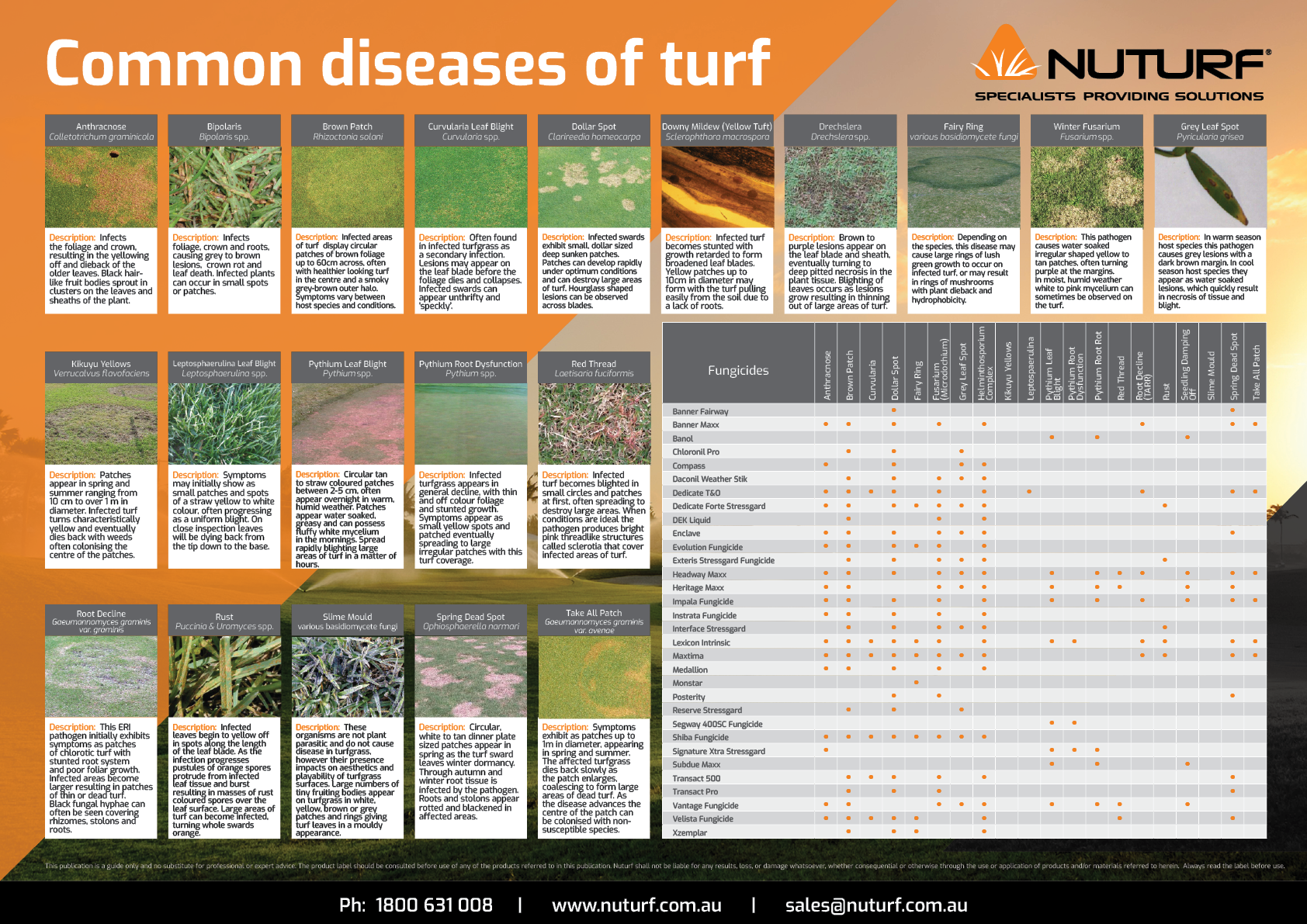
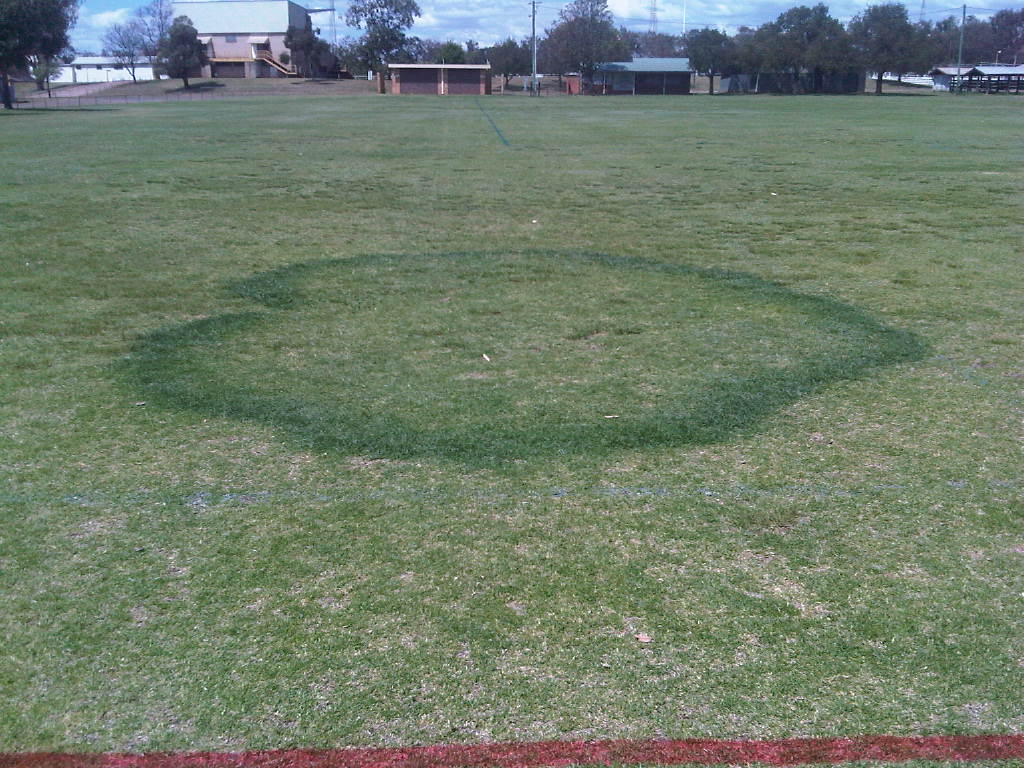
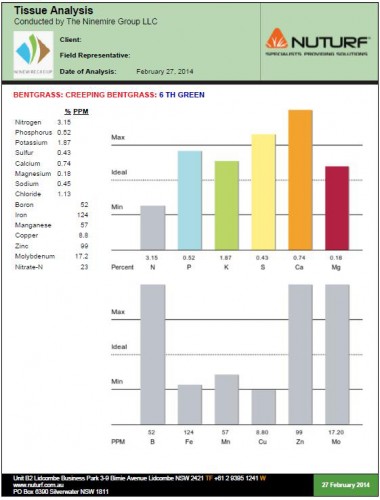
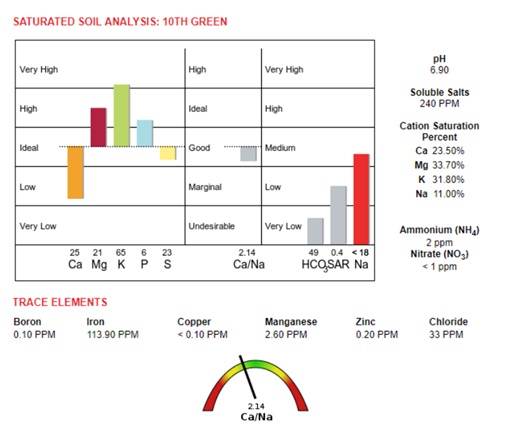
Basidiomycetes in the order Agaricales are capable of causing fairy rings.
What is Fairy Ring Disease?
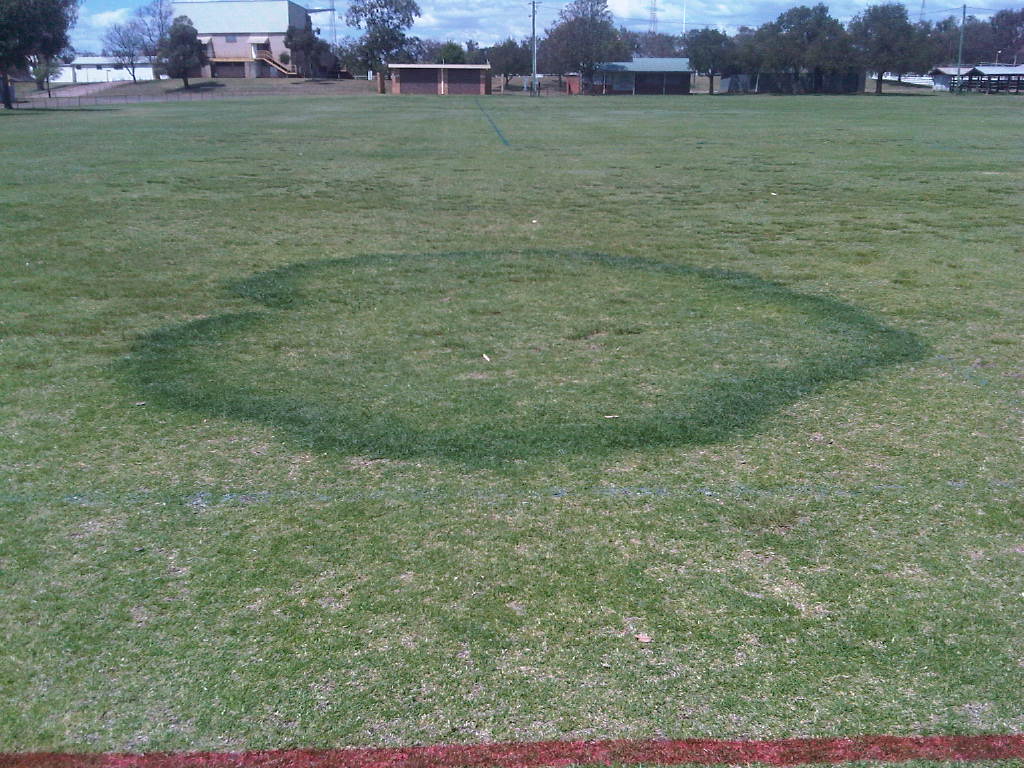
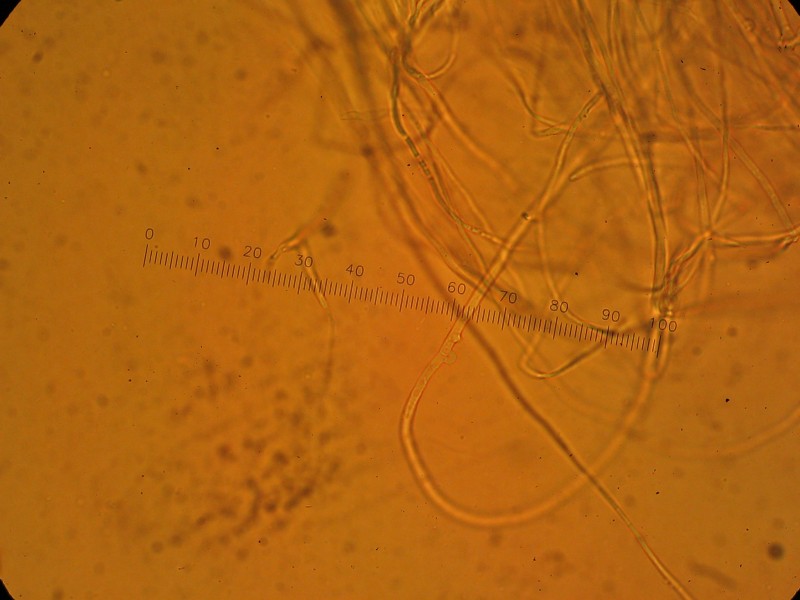
Fairy Ring is a fungal turf disease caused by various Basidiomycete fungi capable of forming distinctive circular or arc-shaped patterns in turf. These fungi grow in the soil and thatch, creating rings of dark, fast-growing grass, areas of dead or declining turf, and often mushrooms or toadstools along the ring edge.
Fairy Ring affects all turfgrass species and is one of the most recognisable turf diseases due to its dramatic ring patterns. Its impact ranges from cosmetic turf discolouration to severe plant death where soil becomes hydrophobic and unable to absorb moisture.
What are the Symptoms of Fairy Ring Disease How to Identify It?
Fairy Ring symptoms vary depending on the fungal species, but the following identifying features are most common:
Key Visual Symptoms
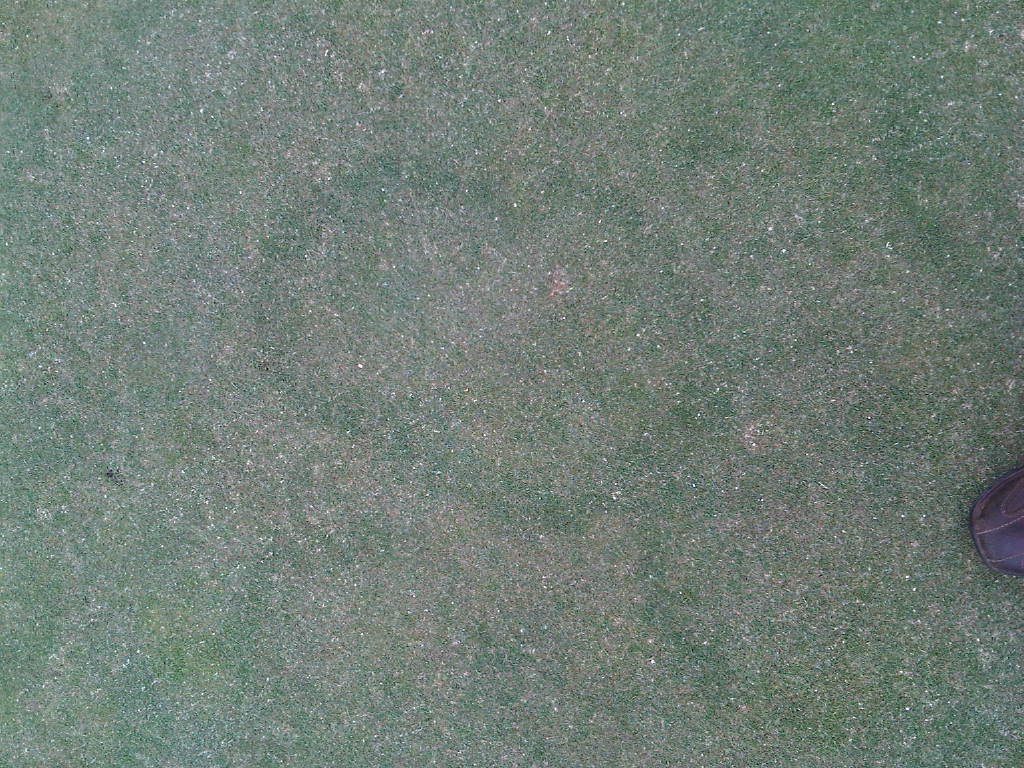
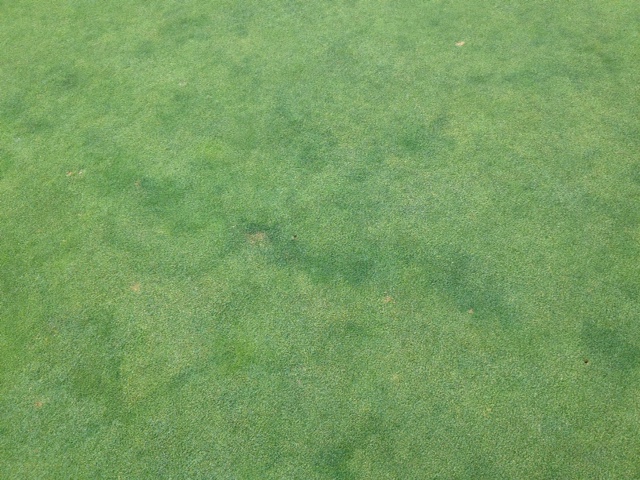
Circular or arc-shaped rings of darker, greener, or faster-growing turf.
Concentric rings an inner circle of dead grass surrounded by lush turf.
Ring size ranges from small circles to indefinitely large arcs across turf surfaces.
Mushrooms or toadstools often appear on the ring perimeter, especially during moist conditions.
Rings stop expanding when two rings meet and their fungal fronts clash.
Soil & Physiological Indicators
Soil within the ring becomes hydrophobic, repelling water.
A mature Fairy Ring may show:
Anouter ring of dead turf
An inner ring of green, stimulated turf
A ring of mushrooms (sometimes absent in dry conditions)
Environmental Triggers
Significant thatch accumulation
Low-moisture soils
Light, sandy profiles with low fertility
Drier climates (more severe than high-rainfall areas)
Fairy Ring
Fairy Ring
Fairy Ring
Fairy Ring
Fairy Ring
Signs of Damage & What It Does to Turf
Fairy Ring fungi disrupt turf health through multiple mechanisms:
Hydrophobic soil zones prevent moisture penetration, leading to drought stress and turf death.
Excess fungal activity breaks down organic matter, releasing nutrients that stimulate lush, dark-green turf rings.
Severe cases show plant wilting, thinning, and complete die-off where roots cannot access water.
Mushrooms indicate high fungal pressure and ongoing soil colonisation.
Fairy Ring can permanently alter turf uniformity, impacting surface quality on sports fields and high-visibility areas.
Without intervention, affected areas often expand over time, causing progressive turf decline.
How to Control Fairy Ring
Managing Fairy Ring is challenging due to its soil-based fungal origin, but several cultural practices can reduce symptoms and improve turf health.
Best Management Practices
Reduce thatch using vertical cutting.
Core aerify to improve soil oxygen, break up fungal mats, and allow water infiltration.
Irrigate deeply to counteract hydrophobic soil zones.
Apply soil wetting agents to help water penetrate hydrophobic layers.
Avoid using root-zone mixes containing undecomposed organic materials, which fuel fungal activity.
Use nitrogen and iron fertilisers to mask symptom expression in some ring types (cosmetic improvement only).
While no single action eradicates Fairy Ring, combining these practices greatly improves turf resilience and reduces visual impact.
Common Questions About Fairy Ring (FAQs)
What causes Fairy Ring disease? It is caused by various Basidiomycetes in the order Agaricales. In Australia, common species include Lycoperdon, Marasmius, and Tricholoma.
Which turfgrasses are affected? Fairy Ring can occur in all turfgrass species.
When does Fairy Ring typically appear? It is most common in turf with thatch buildup, low moisture, or light sandy soils and is more severe in drier areas.
Do mushrooms always appear? No. Mushrooms appear only when moisture levels support fungal fruiting. Fairy Ring can still be active without visible fungi.
Can Fairy Ring disappear on its own? Symptoms may fade temporarily, but the fungi remain in the soil. Without management, rings often reappear and expand.
Is Fairy Ring harmful to people or pets? The disease itself is not harmful, but mushrooms may be toxic, so removal is recommended in areas with children or pets.