Billbug

Billbug

Scientific Name:

Spenophorus brunnipennis

Order:

Coleoptera

How to identify Billbug:

Billbugs can be identified in both their larval and adult stages.

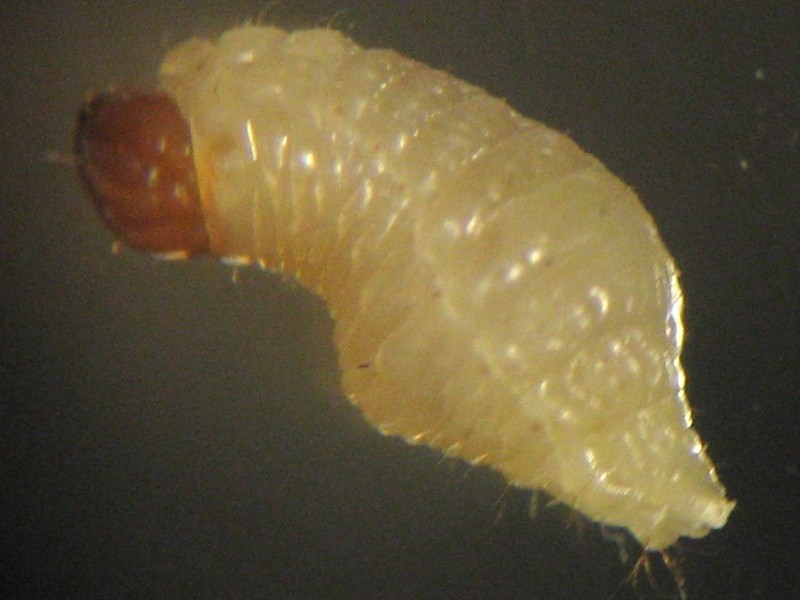
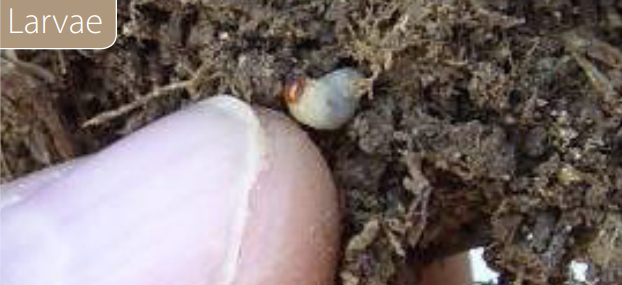
  • The larvae (also known as La Plata weevil larvae) are creamy-white, legless, and shaped like a curled ā€œC.ā€ They have an orange head capsule and grow up to 10 mm long. Their legless appearance helps distinguish them from other common turf grubs.

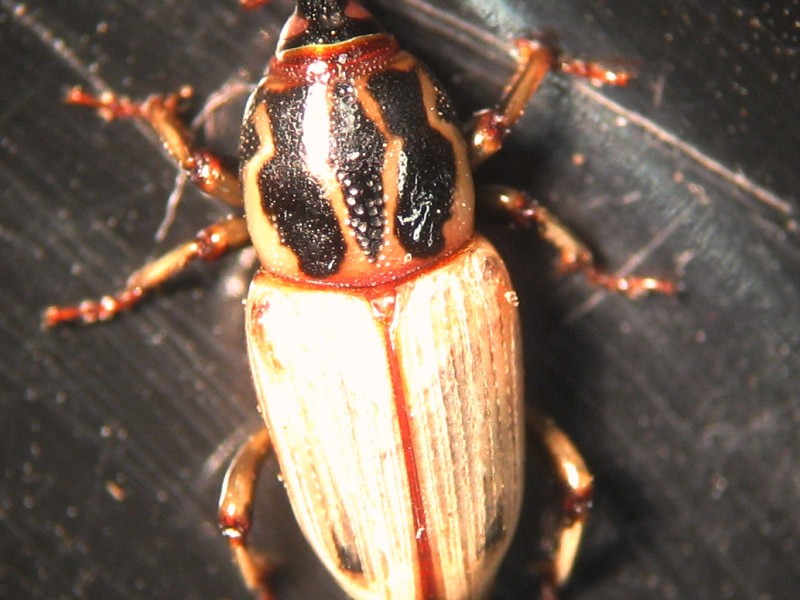
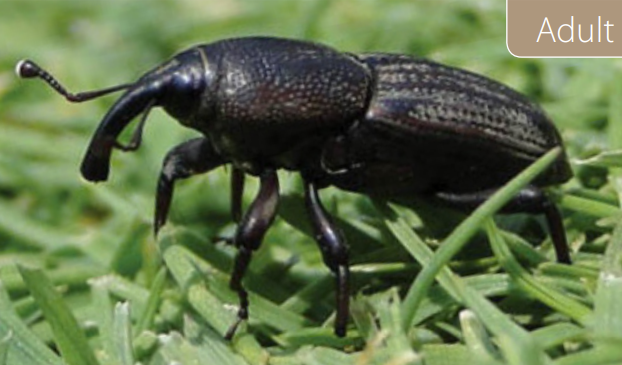
  • The young adults often show dark brown striping across the wing casings and have bodies up to 10 mm long. As they mature, they develop into dark brown to black weevils with a distinctive bill-like snout and elbowed antennae, which are characteristic features of billbugs.


What is the biology and lifecycle of Billbugs?

Adult billbugs deposit their eggs within the plant stem, where the larvae develop and feed on the plant. It is at this stage of development that the most severe damage is inflicted to turf grass.Ā As the larvae continue to develop, they exit the plant and begin to feed on the stem and roots.Ā Depending on location and weather conditions billbugs generally lay their eggs during October to December.Ā The eggs develop into larvae after 2 weeks and immediately begin feeding as they burrow their way down through the plants to roots. These insect pupae, remain in the soil from late summer to early Autumn.Ā Billbugs have a one or possibly two year life cycle and overwinter as young adults.

Ā 

Signs of Damage in Turf

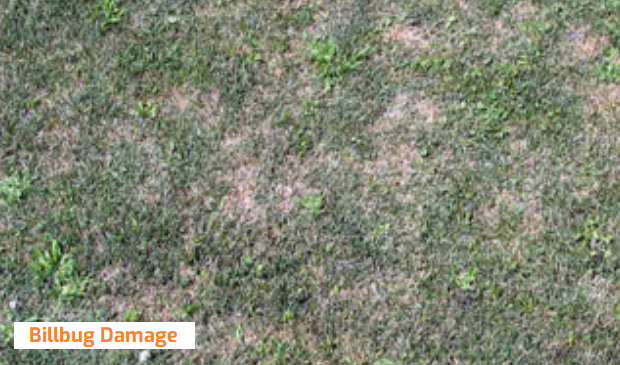
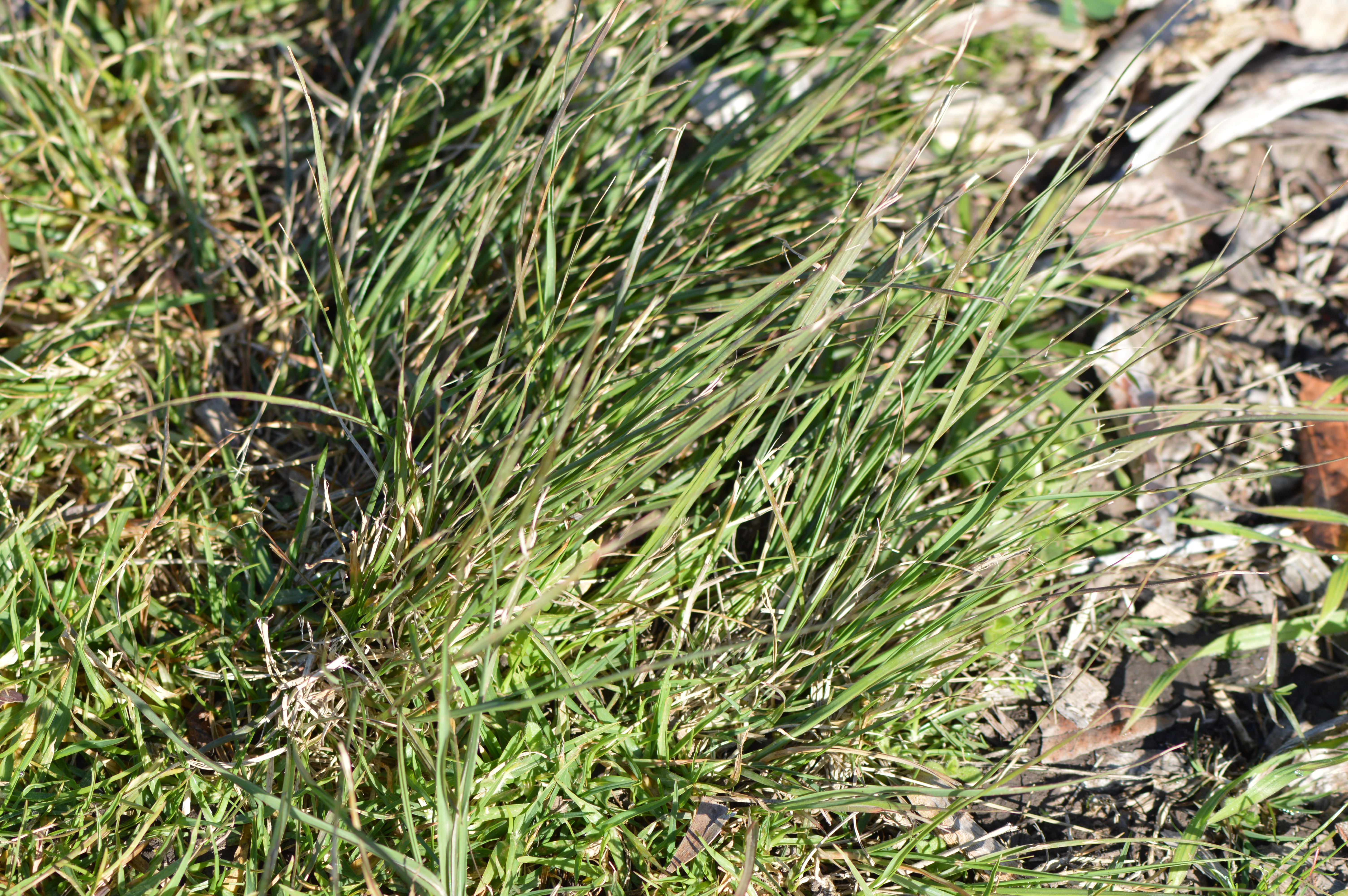
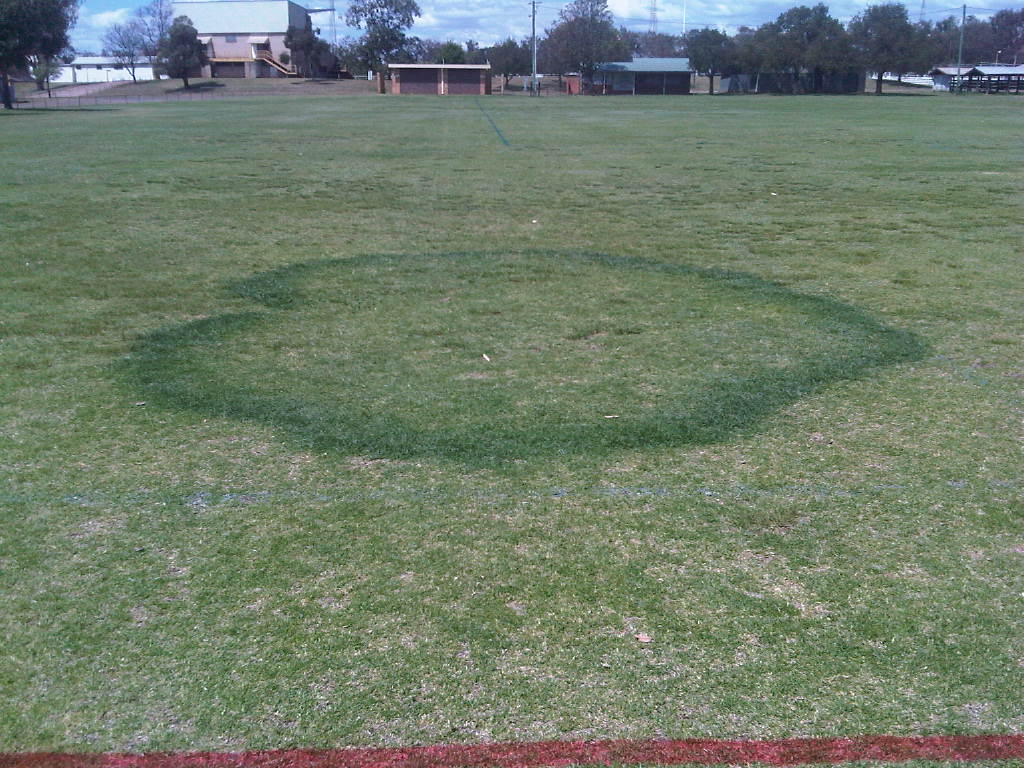
Billbug damage is often difficult to detect early, but symptoms become obvious once larvae begin feeding heavily. You may be seeing Billbug activity if:

  • Turf turns yellow, then quickly browns and dies

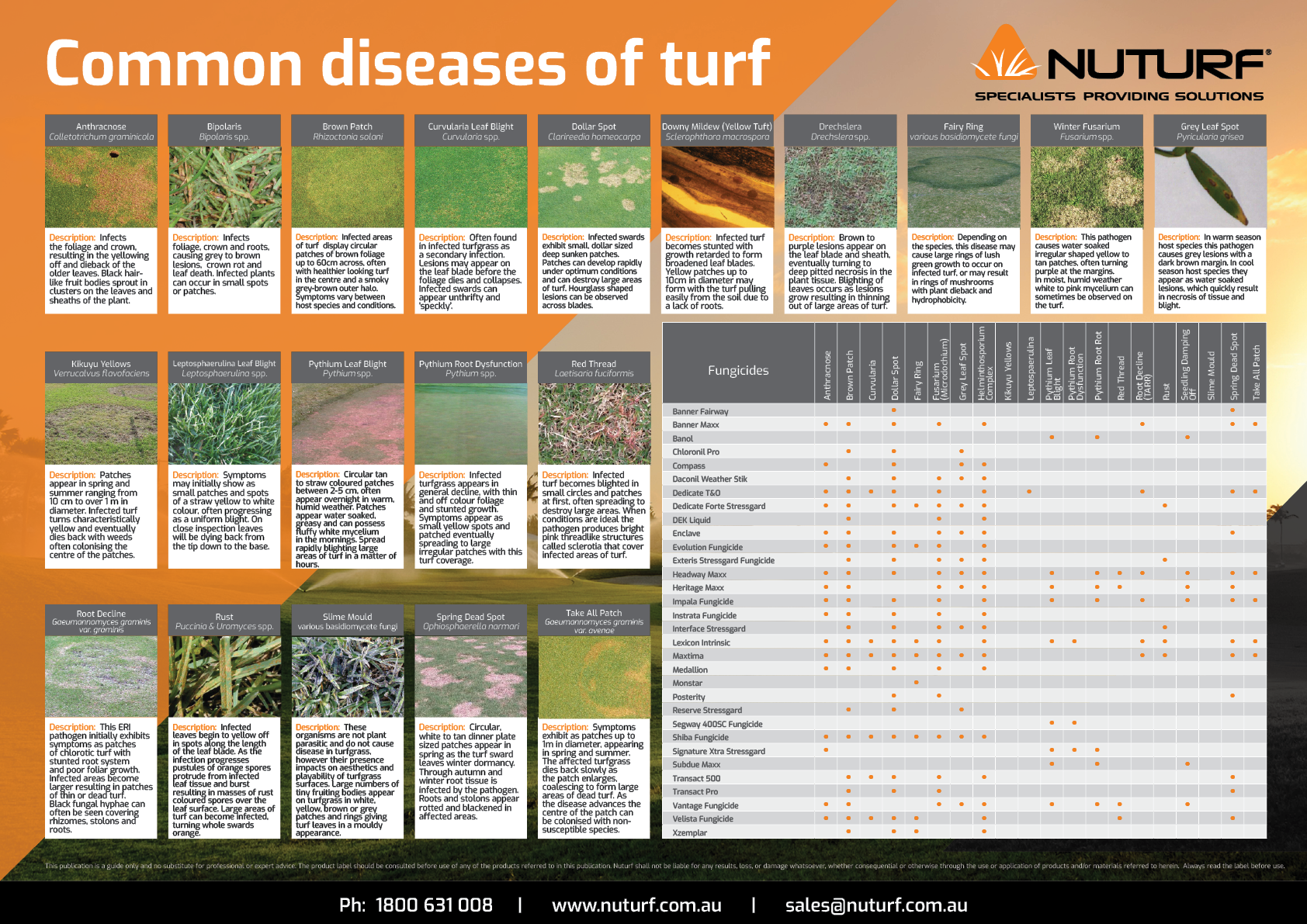
  • Damage appears similar to fungal diseases like Dollar Spot

  • Dead or dying plants can be pulled out easily because stems break off at the crown

  • Stems are hollow and filled with sawdust-like material

  • Patches of dead turf expand quickly under high pest pressure

  • Damage becomes more visible as larvae burrow down the stem and into the crown and roots

These symptoms occur because larvae feed within the plant before moving down to the base, where they destroy the crown and roots.

Ā 

What It Does to Turf and Lawns

Billbug larvae cause the most significant turf injury.
After eggs are deposited inside the plant stem, the larvae begin feeding internally, destroying stem tissue and weakening the plant. As they grow, larvae exit the stem and continue feeding on the crown and roots.

This feeding behaviour:

  • Hollows out the stems and fills them with frass (sawdust-like material)

  • Causes the stems to break at the crown

  • Leads to plant death as the crown and roots are damaged

  • Results in widespread thinning, yellowing and browning

  • Can kill large areas of turf when pest pressure is high

Because early damage happens inside the stem, turf often appears stressed before the cause is obvious.

Ā 

How to Control It in Turf & Lawns
  • Inspect turf regularly by gently pulling leaf blades; if they pull out easily, Billbug larvae may be present

  • Look for hollow stems filled with sawdust-like material as a key indicator

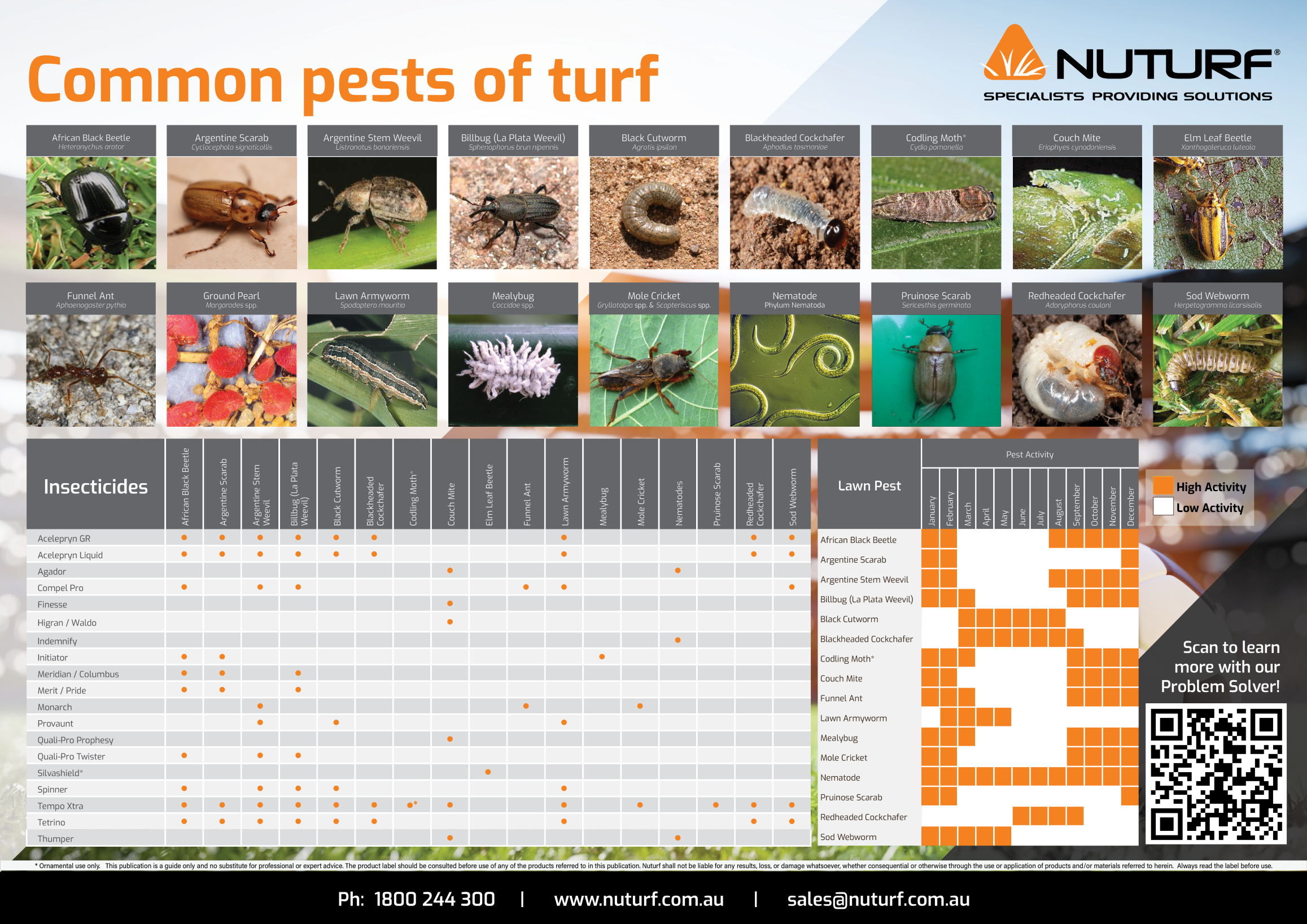
  • Apply appropriate insecticides once pest presence is confirmed

  • Monitor turf closely between October and December, when eggs and early larvae are most active

  • Support plant health with adequate nutrition and irrigation to help turf tolerate early feeding

  • Treat areas showing stem and crown damage promptly to prevent expansion of dead patches

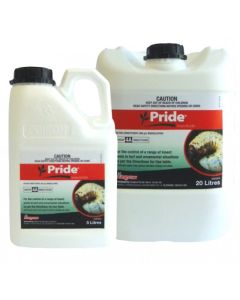
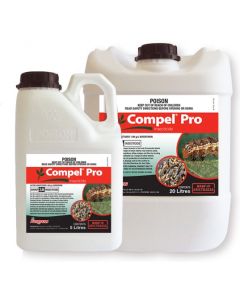
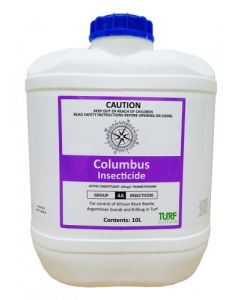
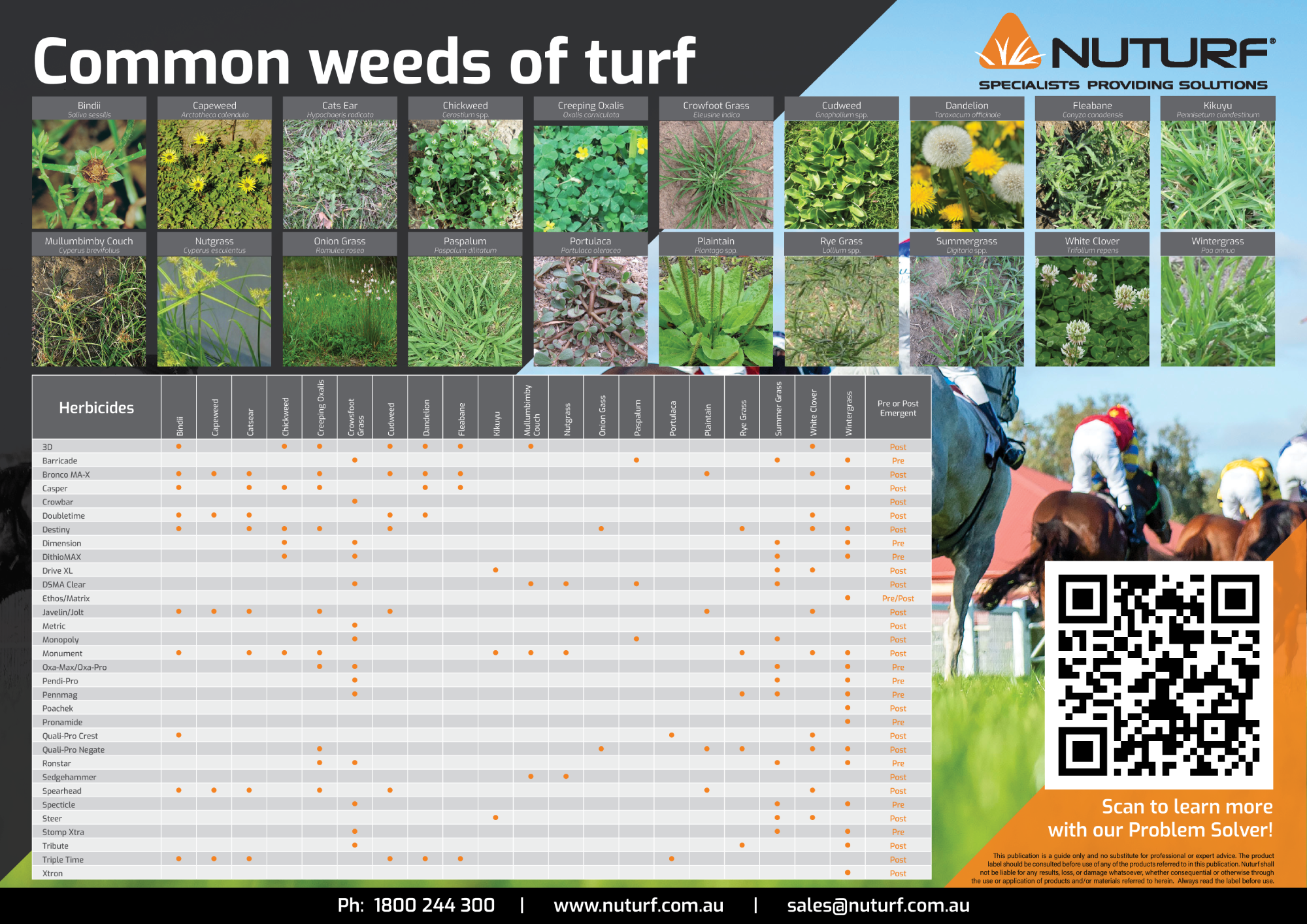
For specific chemical solutions, refer to Nuturf’s recommended products list.

Ā 

Common Questions About Billbug (FAQs)
  • What stage of the Billbug causes the most damage? The larvae, which feed inside the stem and later at the crown and roots.

  • Why do stems look hollow? Larvae eat the internal plant tissue, leaving hollow stems filled with sawdust-like frass.

  • When are Billbugs most active? Eggs are laid October–December, larvae hatch after 2 weeks, and feeding continues through summer until pupation in late summer early autumn.

  • Why do damaged plants pull out easily? Larval feeding weakens the stems and crown, causing them to break off when pulled.

  • Can Billbug damage be mistaken for disease? Yes, early yellowing and browning can look similar to Dollar Spot or drought stress.

  • How long is the Billbug lifecycle? Billbugs have a one- or two-year lifecycle and overwinter as young adults.

Ā 


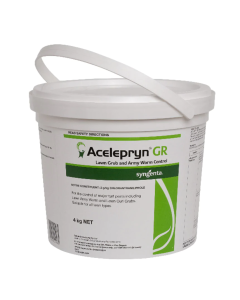
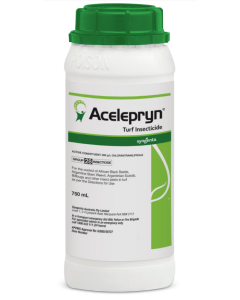
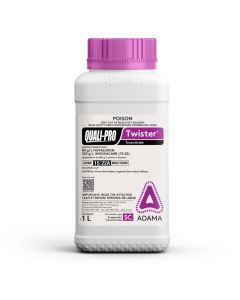
Product Solutions for Billbug