Anthracnose

Anthracnose
Causal Agent

Colletotrichum spp.

What is Anthracnose?

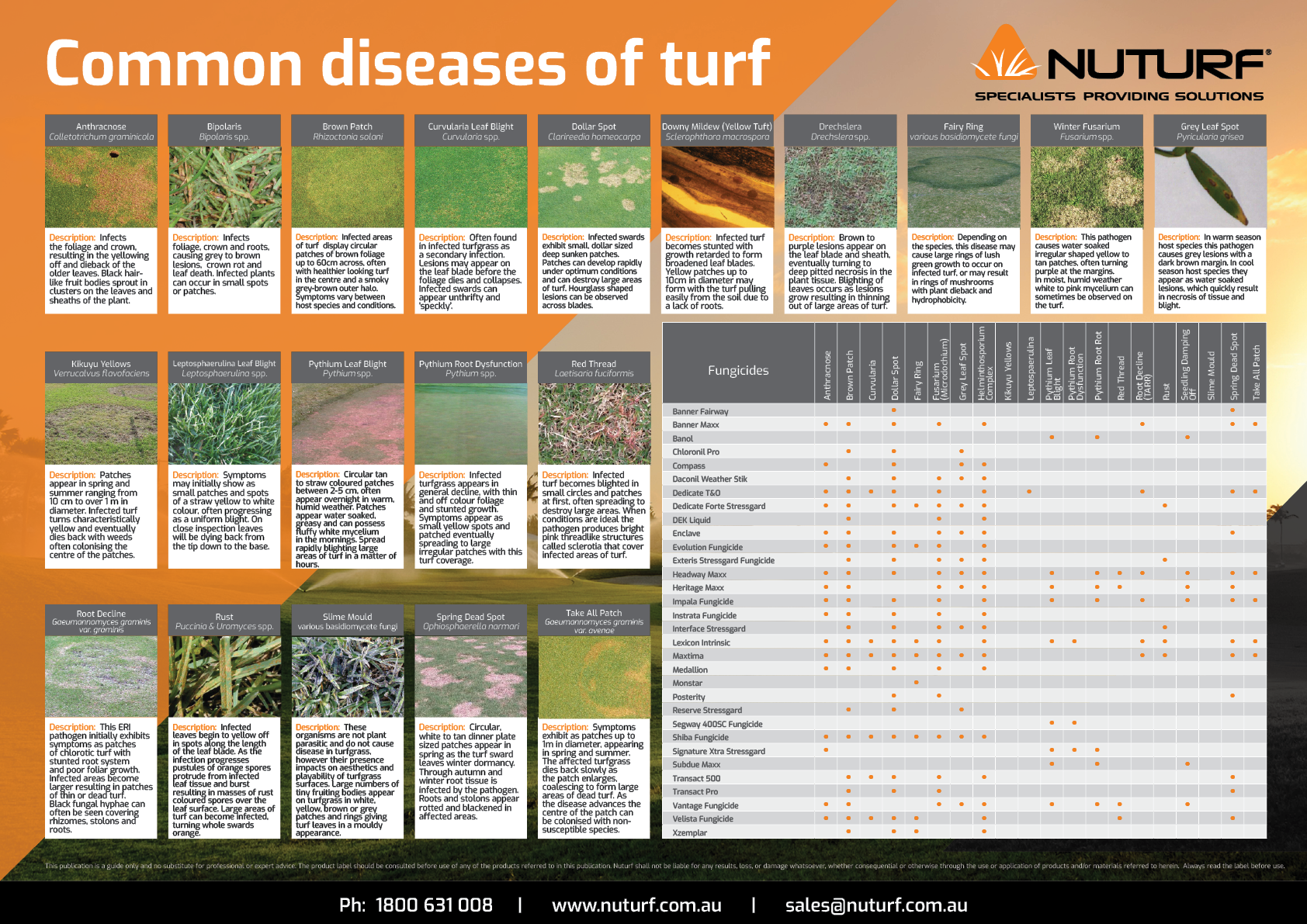
Anthracnose is a destructive group of fungal diseases caused primarily by species within the genus Colletotrichum. It affects a wide range of deciduous and evergreen plants across various climates and is a serious issue in turf management worldwide.

In turfgrass, Anthracnose is most commonly associated with Colletotrichum graminicola, which can infect:

  • Leaves (foliar blight)

  • Crowns, stems and root tissues (basal rot)

Warm–humid conditions allow the pathogen to thrive, making Anthracnose a recurring problem on high-value turf surfaces such as golf greens, sports turf and amenity turf.

Symptoms & How to Identify It

Anthracnose produces distinct visual symptoms depending on whether the infection is expressed as basal rot or foliar blight. Key identification features include:

Foliar Symptoms

  • Leaves turn yellow, then tan to brown, and eventually die.

  • Younger leaves may turn red before necrosis.

  • Red to brown elongated lesions develop on leaf blades and expand until the entire leaf blights.

  • Blighted leaves die back from the tip, a classic foliar pattern.

Basal Rot Symptoms

  • Dark brown to black discolouration on stems, crowns, and upper root tissue.

  • Plants become loose and easy to pull out due to deterioration of basal tissues.

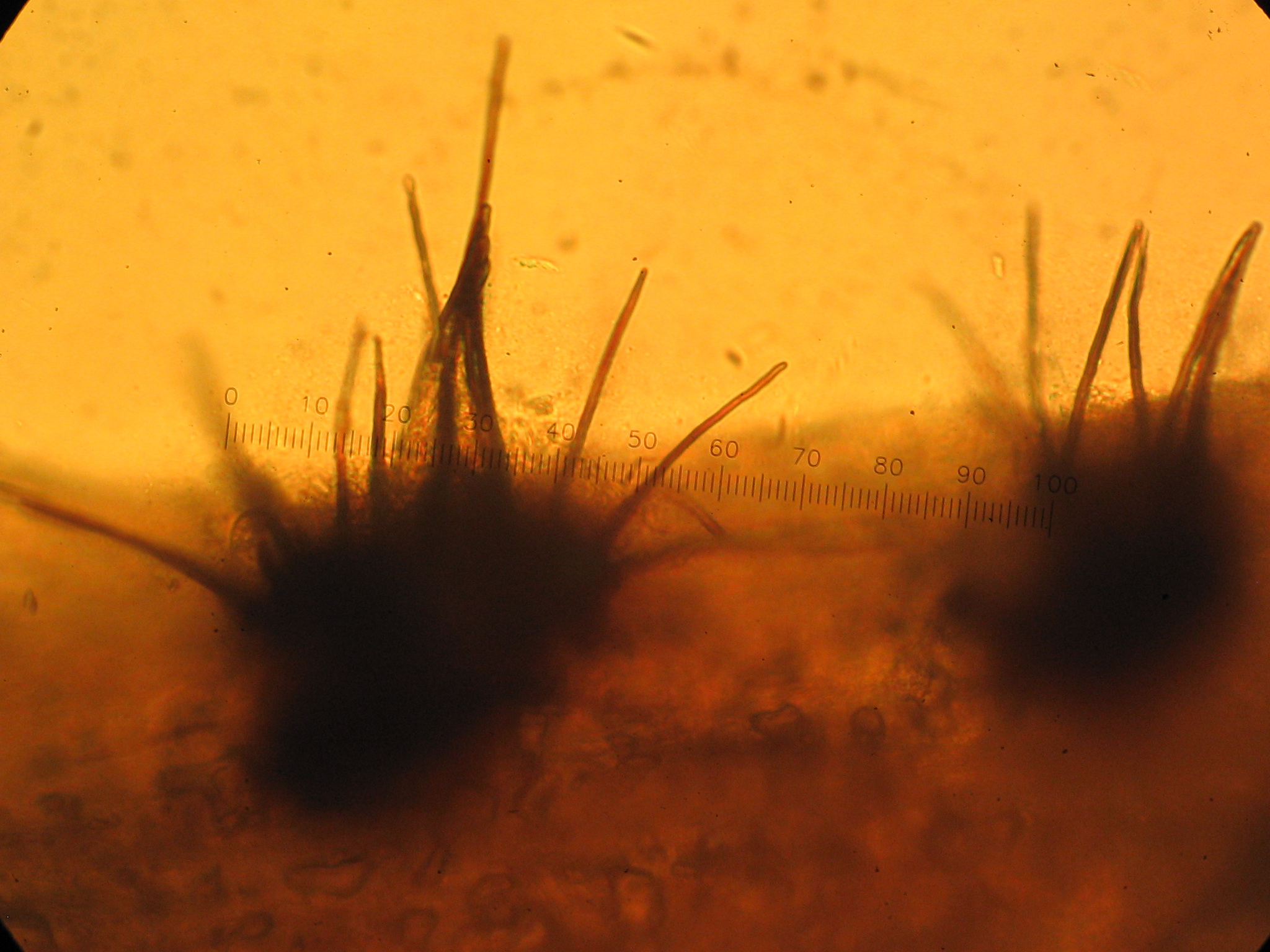
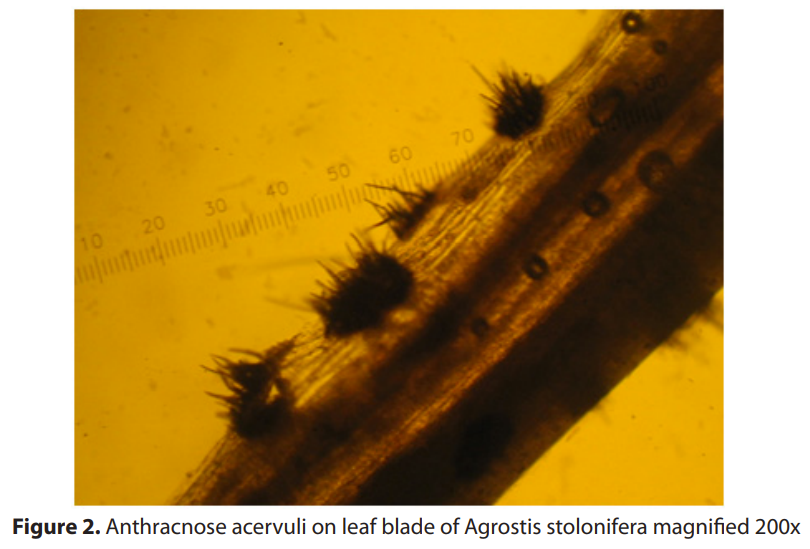
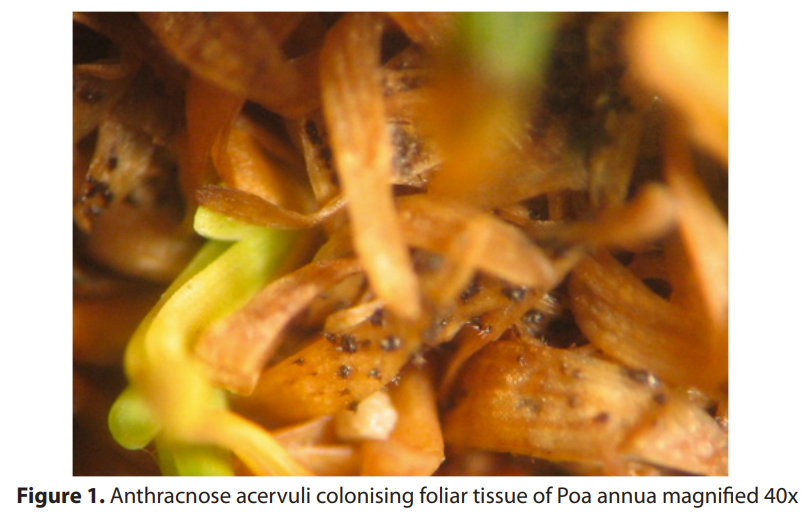
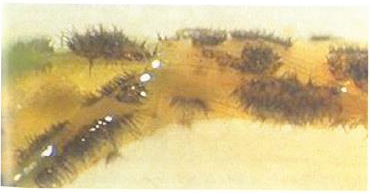
  • A black fungal fruiting body (acervulus) may be present at the plant base—visible with a hand lens as clusters of black, hairlike projections.

Patch Symptoms

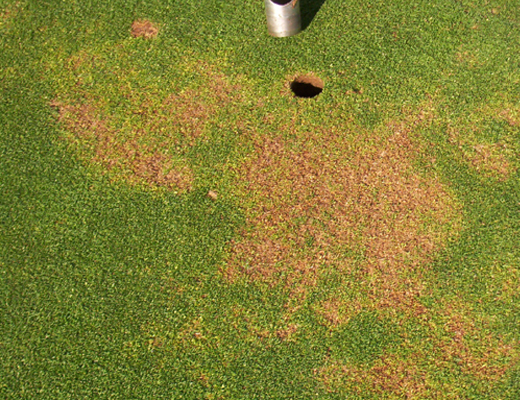
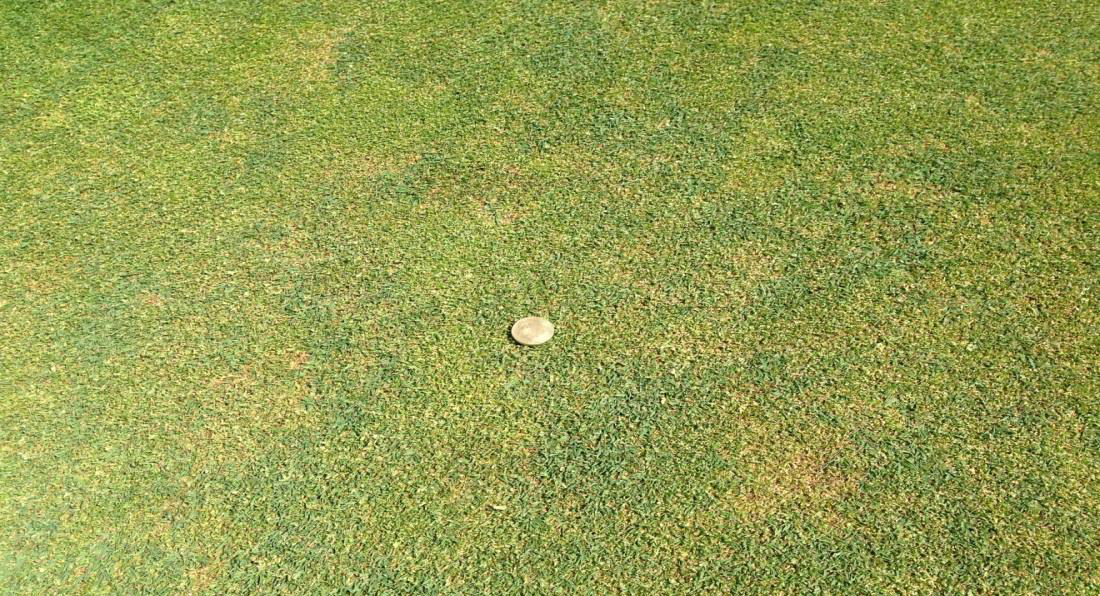
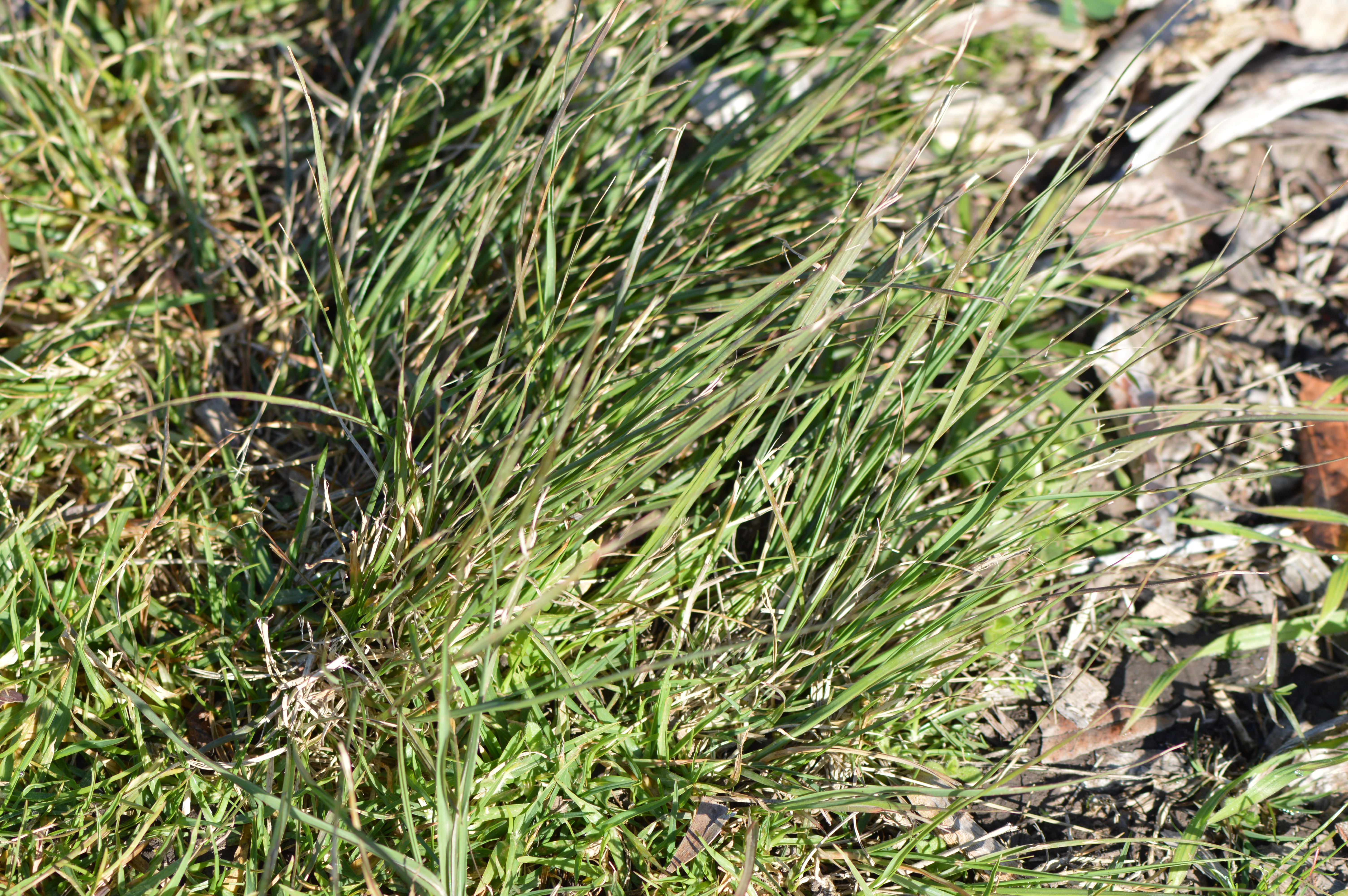
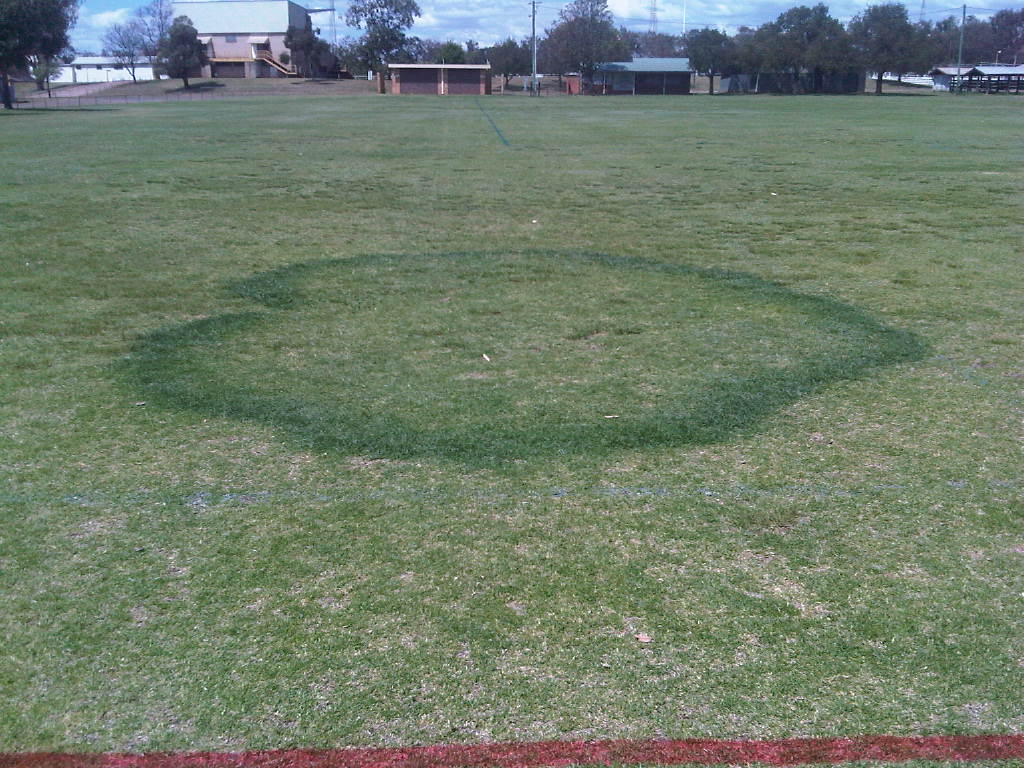
  • Infected areas form irregular patches.

  • Patches appear reddish brown, then transition to yellow, and finally tan to brown as damage progresses.

Environmental Triggers

Anthracnose activity increases when:

  • Temperatures exceed 25°C

  • Leaf wetness persists for more than 10 hours daily

  • Soil is compacted

  • Nitrogen levels are low


Signs of Damage & What It Does to Turf

If unmanaged, Anthracnose can cause severe decline across turf surfaces:

  • Thinning turf canopies, especially in high-wear or stressed areas.

  • Irregular patches of dead or dying grass, affecting uniformity and playability.

  • Loss of turf density, increasing susceptibility to weeds and secondary pathogens.

  • Weakened root systems, reducing stress tolerance and recovery potential.

  • Chronic infection leads to long-term decline, especially in cool-season turf under summer stress.

Warm, humid climates and stressed turf (drought, compaction, nutrient imbalance) significantly worsen disease severity.

How to Control Anthracnose

Effective management requires a combination of cultural practices to reduce turf stress and preventative fungicide applications in high-pressure environments.

Cultural Management Strategies

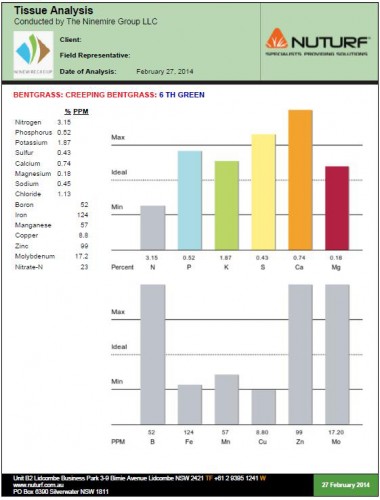
  • Maintain adequate and balanced nutrition, ensuring no deficiencies in nitrogen, phosphorus or potassium.

  • Avoid overwatering and underwatering; follow proper irrigation scheduling.

  • Aerate regularly to relieve compaction and improve root health.

  • Raise mowing height and reduce mowing frequency on stressed turf.

  • Reduce surface traffic wherever possible.

  • Overseed in autumn and aerate when disease is not actively visible.

  • Convert to less susceptible turf varieties in chronic problem areas.

  • Avoid practices that prolong humidity and leaf wetness.

Chemical Control

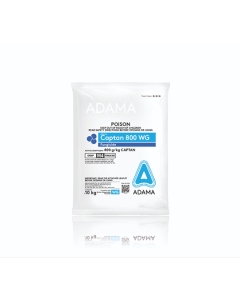
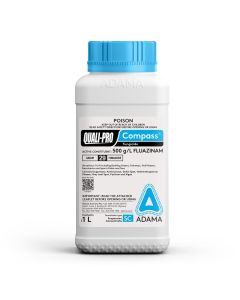
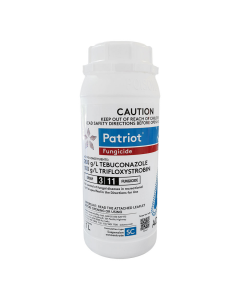
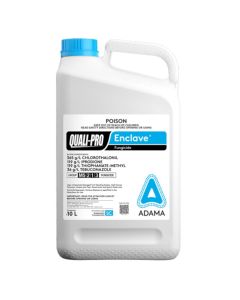
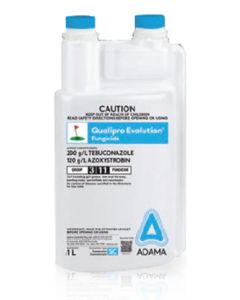
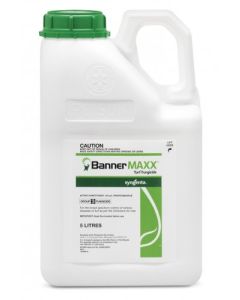
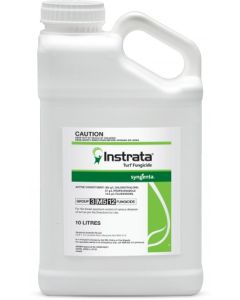
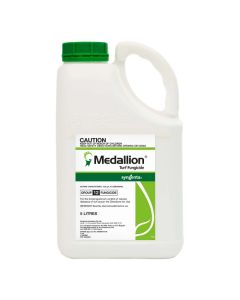
  • Apply preventative fungicides in areas with a history of Anthracnose.

  • Target periods with high disease likelihood typically hot, humid summers or extended wet conditions.

  • Preventative programs are significantly more effective than curative ones.


Common Questions About Anthracnose (FAQs)
  • What causes Anthracnose in turf? Anthracnose is caused primarily by Colletotrichum graminicola, a fungus that infects foliage, crowns, stems and roots.

  • Which turf species are most susceptible? Wintergrass (Poa annua), Bentgrass, Kentucky Bluegrass, Fescue and Couchgrass.

    Note: Bentgrass typically shows foliar blight but not basal rot.

  • When is Anthracnose most likely to occur? During warm, humid periods, especially when leaf wetness exceeds 10 hours/day and turf is under stress.

  • How can I prevent Anthracnose? Maintain healthy turf through balanced nutrition, proper irrigation, reduced compaction and preventative fungicides.

  • Does Anthracnose attack stressed turf more easily? Yes, stress factors such as low nitrogen, compaction, drought, and scalping dramatically increase disease severity.


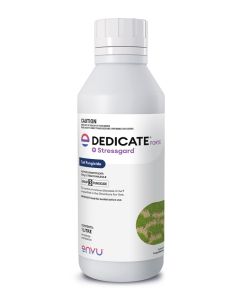
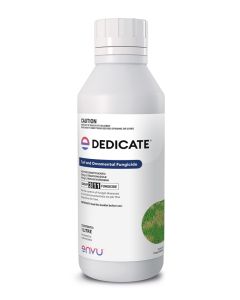
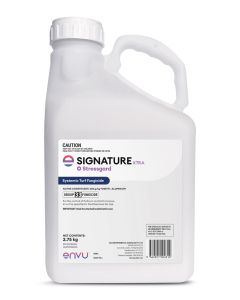
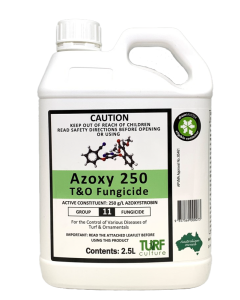
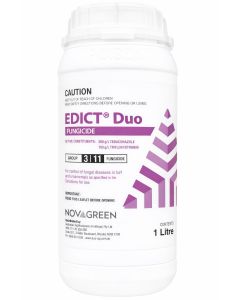
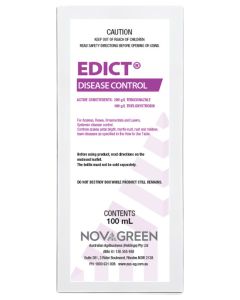
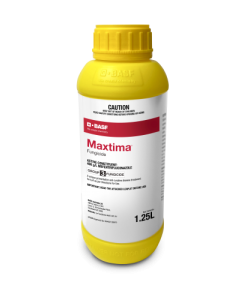
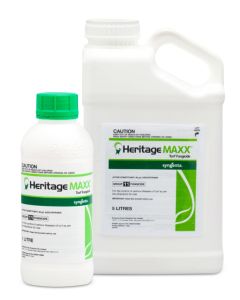
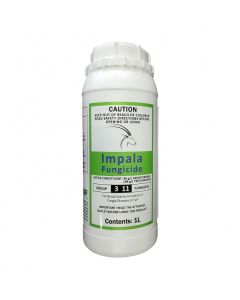
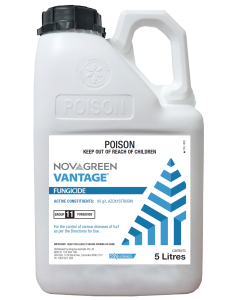
Product Solutions for Anthracnose