The Pros and Cons of Oversowing Your Turf

The Pros and Cons of Oversowing Your Turf
Oversowing has become increasingly popular as more turf managers look for ways to maintain attractive, stable and high-performing sportsfields throughout the entire year. The possibility of having a turf surface that looks good and performs well for 12 months is clearly appealing, and the two-grass system is now being used across many sites not just elite venues.
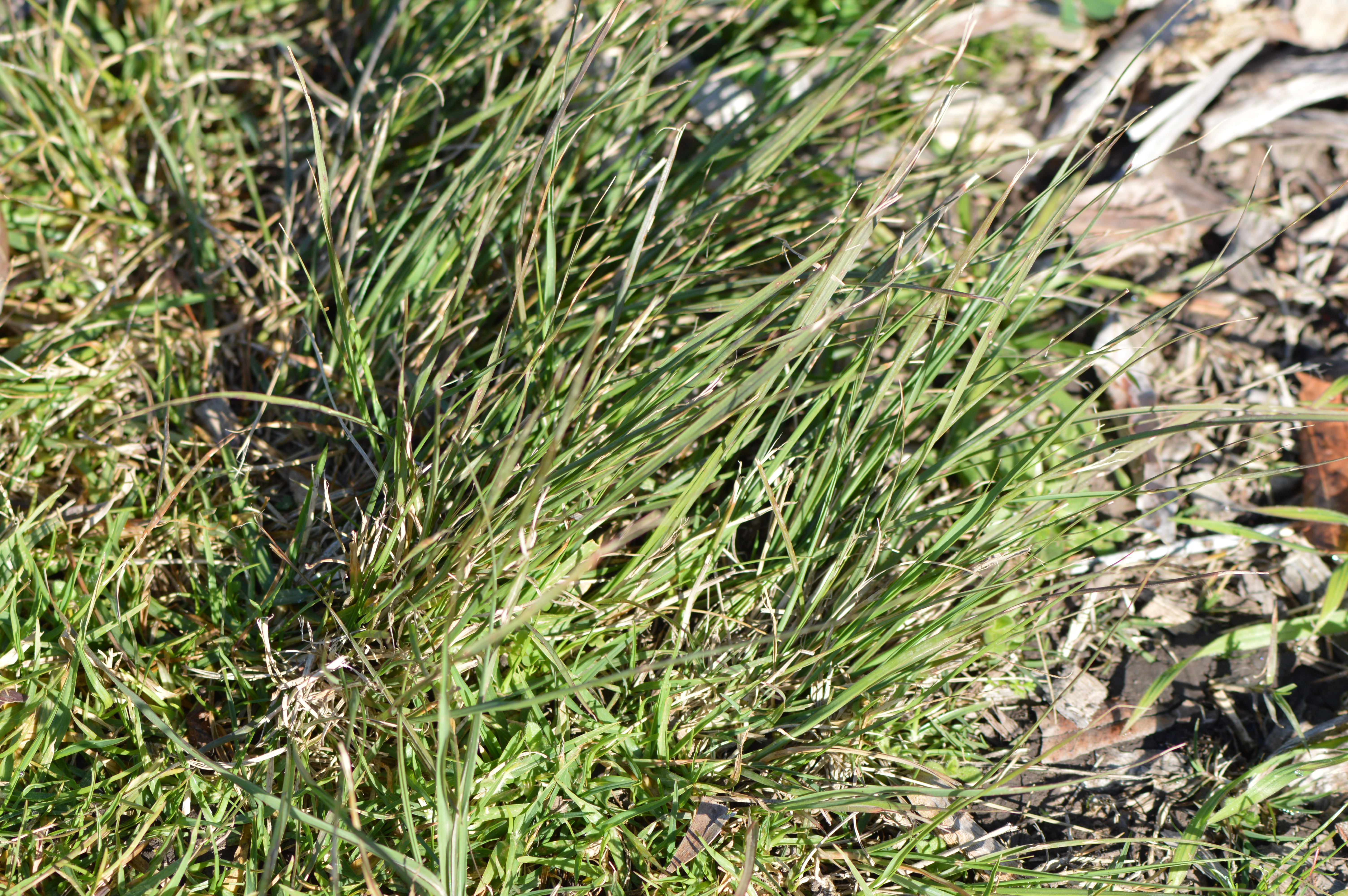
Perennial ryegrass remains the preferred cool-season option due to its rapid establishment, strong winter colour, high presentation quality, and durability from late summer through to spring. This fast establishment is especially valuable during seasonal changeovers when turf managers have very limited windows to transition surfaces.
Key Challenges & Considerations
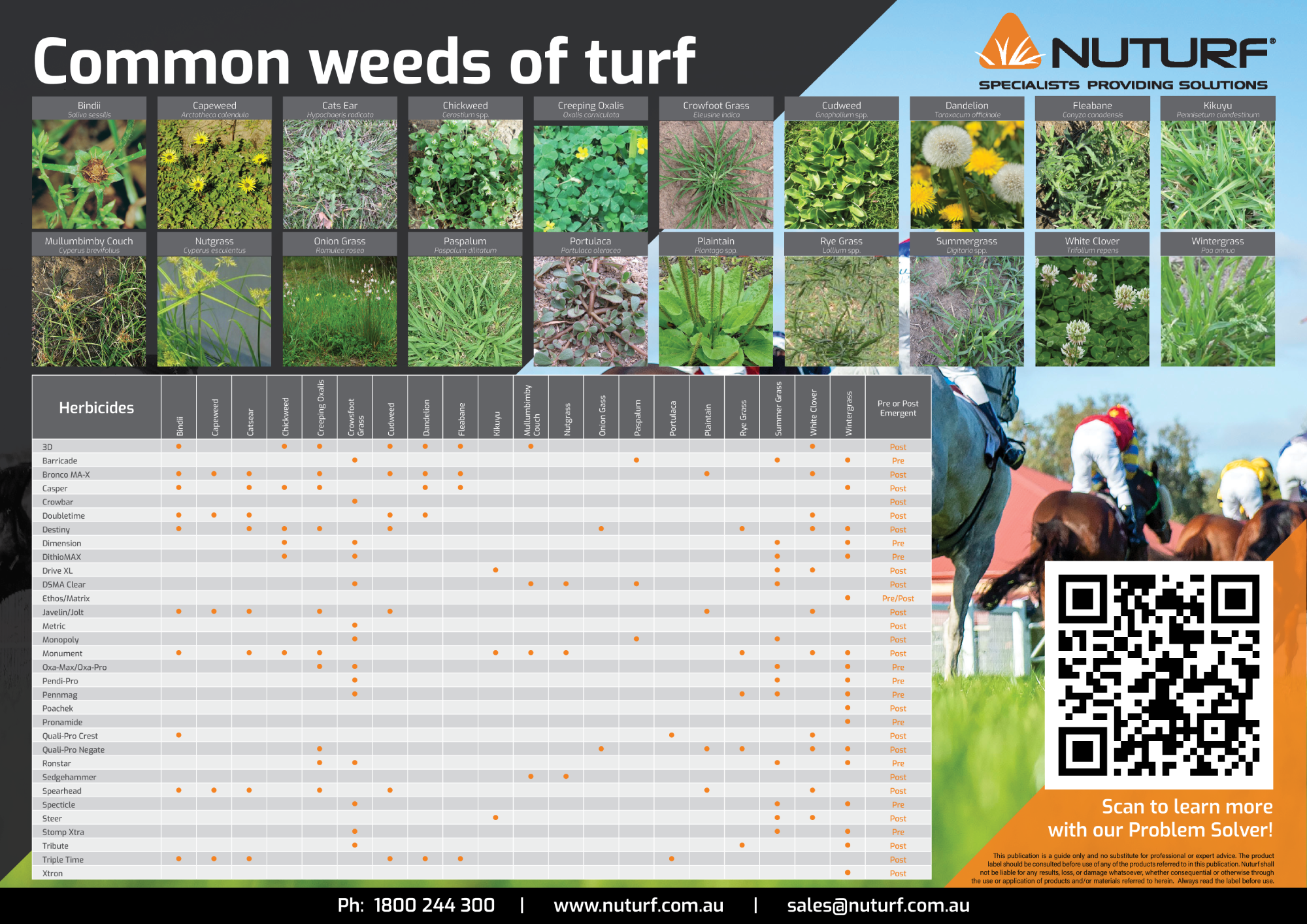
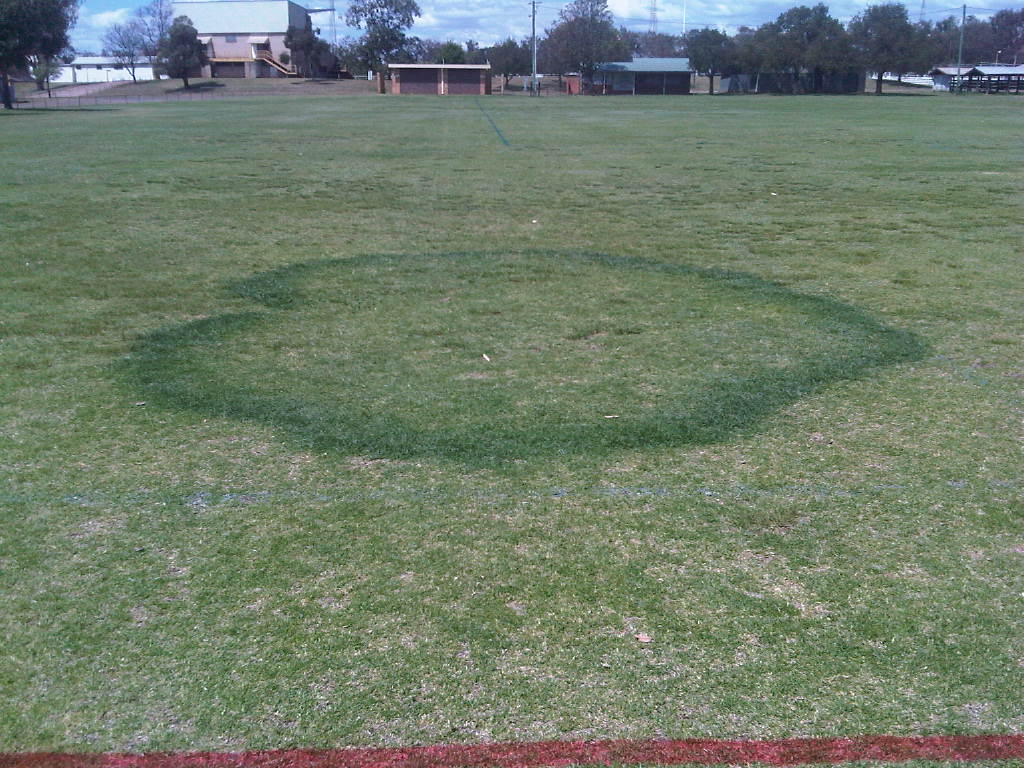
While oversowing can dramatically improve presentation and user safety, it must be approached with a clear understanding of its drawbacks. Warm-season grasses like couch lose vigour over winter, which makes them vulnerable to competition. Ryegrass competes aggressively for light, nutrients and space, and also introduces allelopathic effects biochemicals that can suppress couch growth.
This competition can leave couch thin, weak or even absent when spring arrives. A wet or cold spring can prolong this problem, delaying natural transition and reducing warm-season recovery even further.
Despite these challenges, oversowing provides benefits such as colour retention, stability under winter wear, and improved recovery after use. Understanding how to manage both grasses through the overlap period is crucial.
Preparation & Pre-Program Requirements
Success begins months before seeding. Strong, healthy couch going into winter dramatically increases the likelihood of it surviving the ryegrass competition. Spring and summer conditioning, fertilising and management set the foundation for a smooth seasonal transition.
When sowing approaches in late summer, warm-season turf is usually growing aggressively, so temporary growth regulation (e.g., a solid rate of trinexapac) can help create space for rye to establish. Light scarification may also help by reducing surface density and allowing seed to reach the soil.
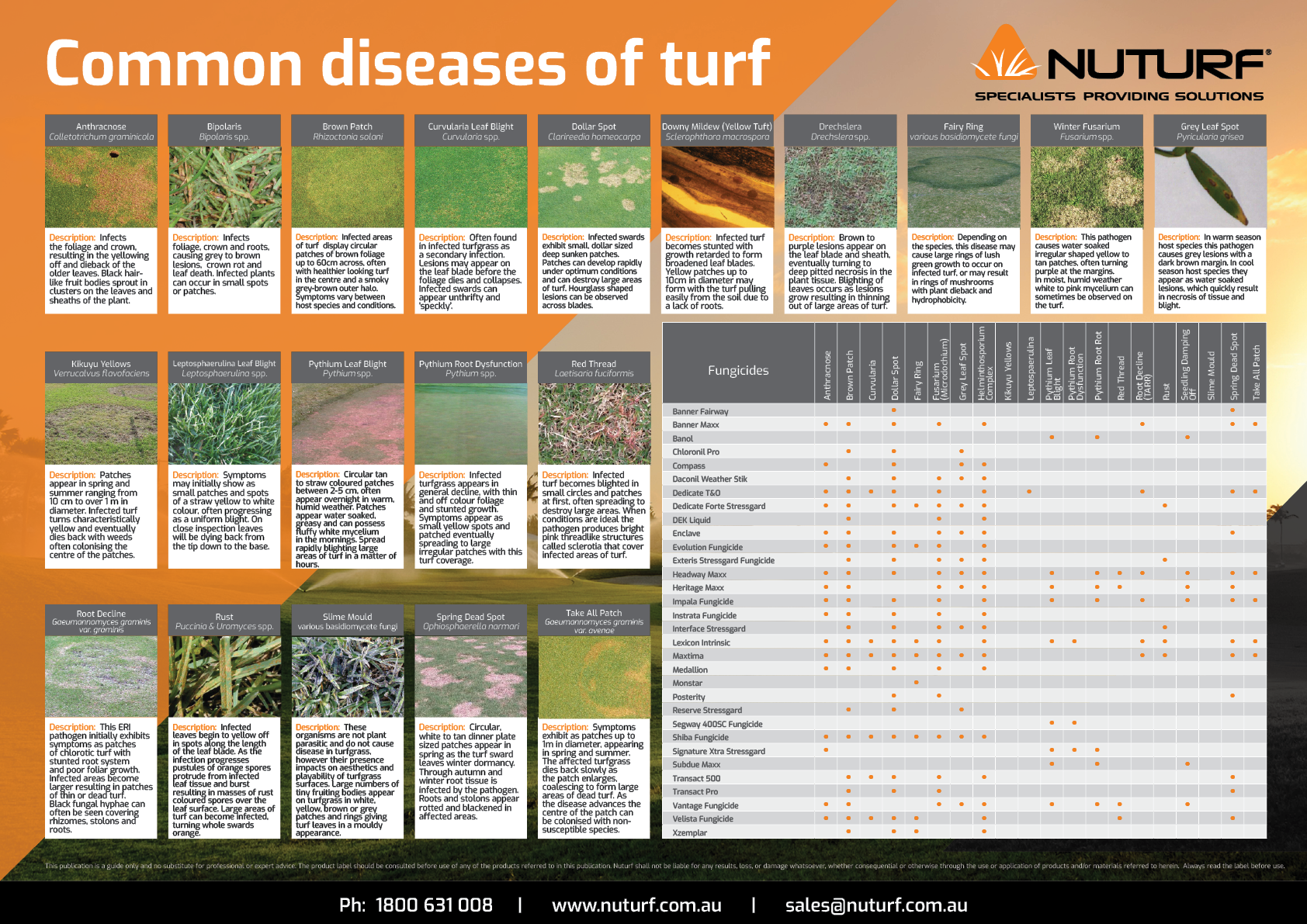
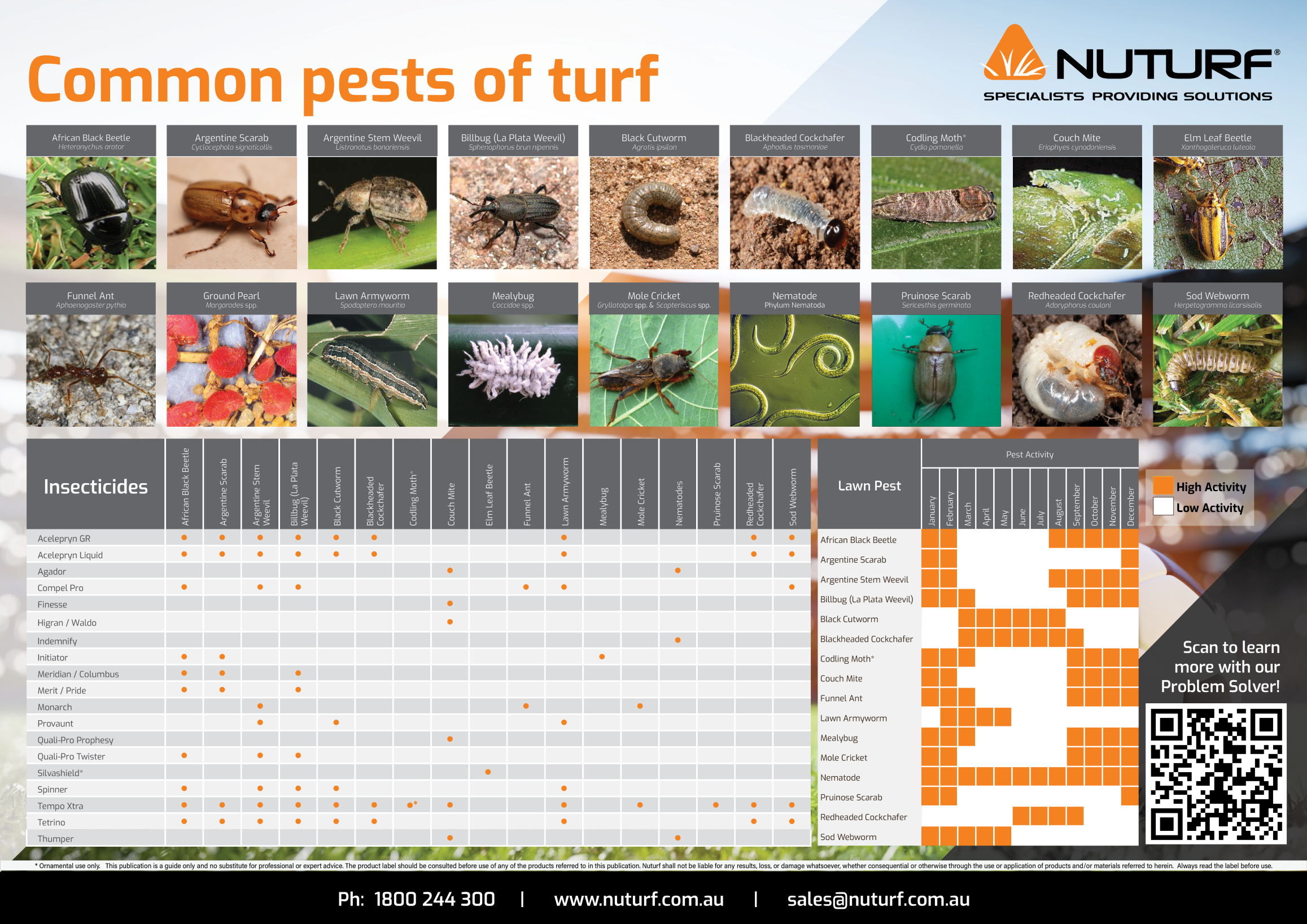
Because temperatures are still high, Pythium pressure remains a real threat. A preventative application 1–2 days before sowing ensures the germinating seedlings have protection during early development. Grubs such as late-instar coleoptera and armyworm may also impact establishment, so monitoring and treatment may be needed.
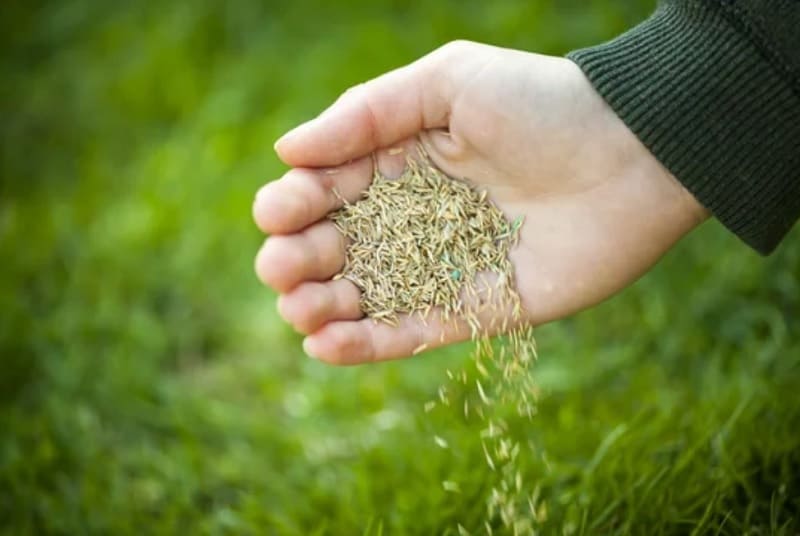
Seed selection is another essential step. While most modern perennial rye varieties are high in quality, they differ in colour, wear tolerance and optimal sowing densities. Choosing the right one for your site ensures better presentation and surface performance.
Core Management Strategy for a Successful Oversow
Ryegrass typically germinates within 3–14 days, depending on temperature. High temperatures speed up germination but also require more attentive management. The first shoot is usually a single leaf with a red coleoptile, followed by progressive tillering that builds density over time. Thin early coverage is normal density improves naturally as the plant matures, so re-sowing too early should be avoided.
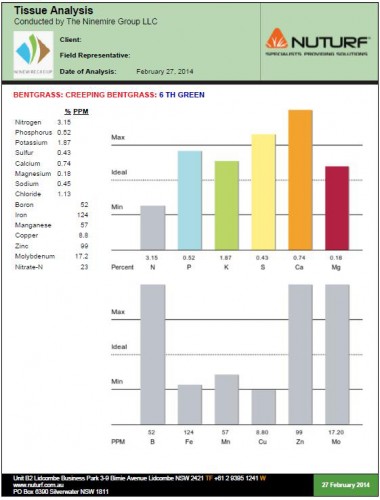
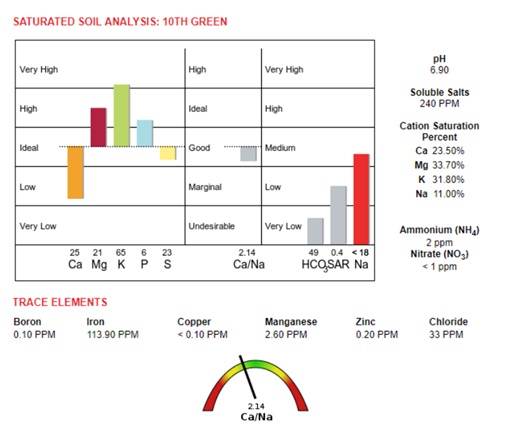
Nutrition plays an important role during establishment. Ryegrass requires nitrogen, but it should be supplied through controlled-release sources to avoid soft, disease-prone growth. A moderate amount of phosphorus often aids establishment even when soil tests appear adequate because not all soil phosphorus is readily available to plants.
Further Pythium protection during the first four weeks is recommended through foliar fosetyl or root-applied products like Segway. Correct placement is essential to ensure protection where it is needed.
Once mowing begins, a growth regulation program can support quality. Low, frequent doses of trinexapac encourage stronger roots, better density, improved resilience and a more stable playing surface without overly suppressing growth.
How Nuturf can help you
We offer a variety of seed products to suit your needs. We have various seed blends or straight varietal types to meet a range of end user preferences. The different products offer variations in final colour, vigour and ability to hold well into Spring if required.
Nutrition needs are covered by anything from slow release granular products with a variety of NPK options to foliar fertilisers for those on sand profiles.
Fungicide needs are covered with either dedicated Pythium products or broad spectrum fungicides for management of foliar and root diseases across established surfaces.
Growth regulation is covered by various trinexapac formulations to suit budgets and surfaces. Both ME and EC formulations are available.
Nuturf also has the technical expertise and vast resources around the country to assist all customers with their technical, programming or purchasing needs.