Selecting Fungicides for Prevention Without Regulation

Selecting Fungicides for Prevention Without Regulation in Golf
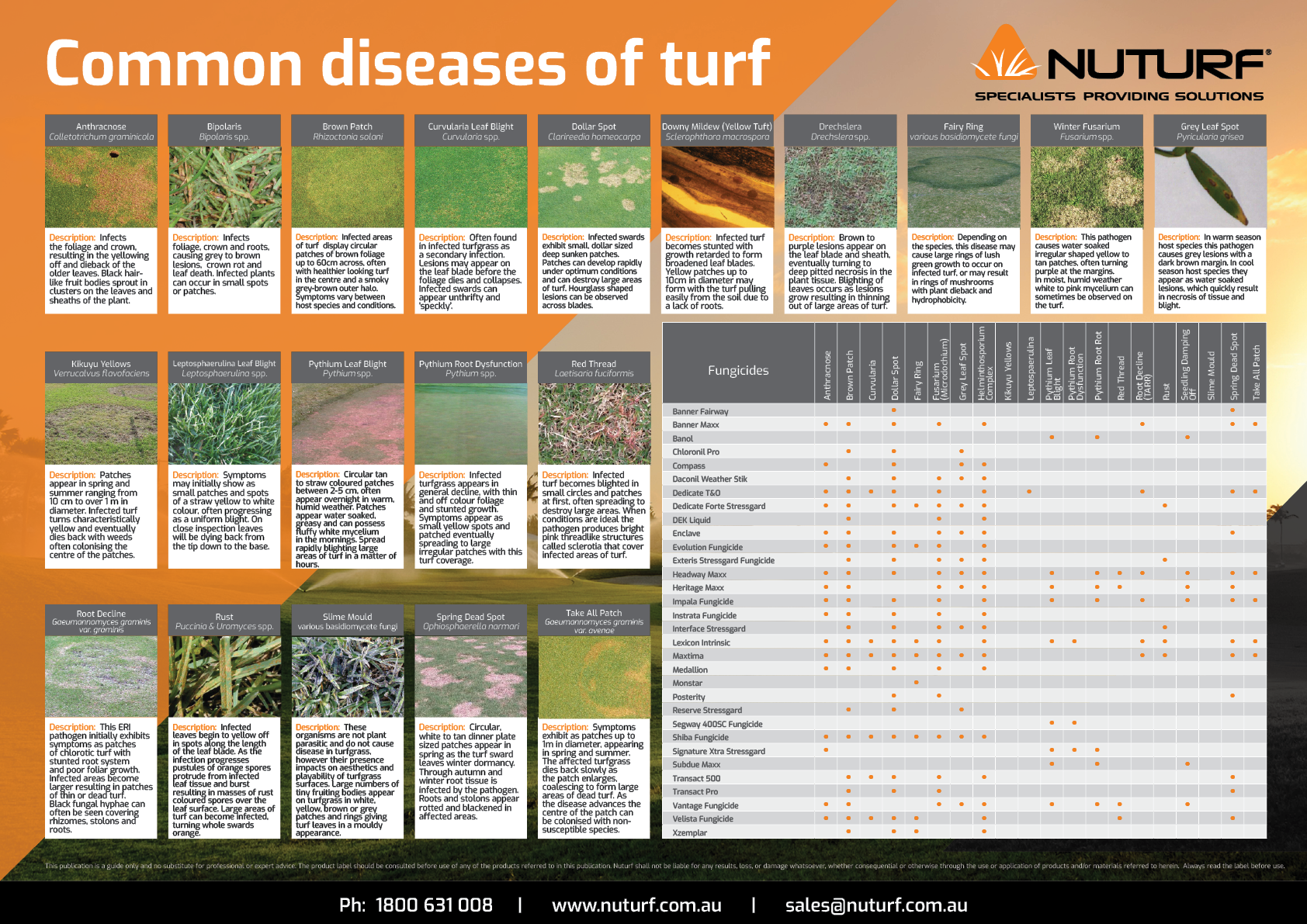
Triazole fungicides have been central to golf course disease management for many years. Their reliability, fast activity and strong performance against diseases such as dollar spot and ERI pathogens have made them a natural choice for curative and preventative programs. However, the hesitation around using triazoles in the peak of summer remains valid, especially on sensitive species where growth regulation can become problematic.
This article explains how turf managers can still run strong preventative programs without relying heavily on triazoles during risky periods, using alternative chemistry classes and smart rotation to reduce regulation effects and maintain long-term chemical viability.
Understanding Triazoles and Their Summer Limitations
Triazoles (Group 3 DMIs) work by inhibiting sterol biosynthesis, a critical process for fungal cell wall function. This mechanism is why they offer such dependable control of dollar spot, spring dead spot and a range of other destructive diseases. Their speed of activity and responsive nature have long made them the “safe” option when disease is progressing quickly or conditions are unstable.
The challenge, however, is their tendency to cause growth regulation during peak heat. The phenomenon is well-recognised: even though not all triazoles regulate to the same degree, the risk becomes more noticeable on ultra-dwarf couch or when turf is already under climatic stress. The example of paclobutrazol ineffective as a fungicide but powerful as a PGR is a reminder that this chemical family’s regulatory traits can’t be ignored.
Because triazoles often perform strongly on diseases most active during heat, there is a temptation to keep them in rotation all summer. With the introduction of newer fungicide classes, that pressure is no longer necessary.

When and Why SDHI Fungicides Become the Better Alternative
SDHI fungicides (Group 7) give turf managers a genuine option for controlling major summer diseases without creating regulation concerns. Their different mode of action, strong efficacy and broader safety margin on warm-season grasses make them particularly suitable for the December–February dollar spot window, anthracnose periods, and other times when stress is highest.
SDHIs do not share the same movement or regulatory behaviour as triazoles, yet they still deliver consistent control across multiple foliar pathogens. When they are alternated with multi-site protectants such as chlorothalonil or rotated with chemistries like fludioxonil and fluazinam, they form part of a very dependable preventative plan.
Their value extends into Spring Dead Spot programs, especially in regions like northern NSW and Queensland where autumn remains warm for longer. Historically, SDS required multiple triazole applications, but this also raised regulation concerns on ultra-dwarf greens. Modern SDHIs (such as Velista) allow a revised three-application sequence where a triazole is used first to target the ERI pathogen, followed by SDHIs for the remaining treatments. This maintains SDS efficacy while removing most of the regulation risk.
Building a Preventative Program Without Over-Relying on Triazoles
A well-structured program can still deliver full-season protection while keeping triazoles to no more than one-third of total use a long-standing resistance management benchmark.
Key principles include:
-
Use triazoles strategically, not routinely target spring renovations, autumn, Christmas window and the first SDS application.
-
Let SDHIs carry the summer load, where regulation risk is highest.
-
Maintain strong multi-site protection, particularly chlorothalonil, to slow resistance and support spectrum.
-
Rotate across MOA groups (Triazole → SDHI → Multi-site → Strobilurin) to avoid pressure on any single class.
This approach maintains:
-
Consistent disease protection
-
Healthier growth during heat stress
-
Reduced risk of resistance
-
Continued performance from older chemistry families
-
Better control over SDS, dollar spot and multiple foliar diseases
In short, you protect the turf and the tools you rely on without needing to abandon triazoles entirely.
How Nuturf can help you
Nuturf’s technical specialists have extensive experience in designing fungicide programs for golf courses across Australia. We assist with analysing existing programs, identifying points where regulation risk can be reduced, and integrating SDHI, multi-site and strobilurin options into a balanced seasonal rotation.
Our team works closely with customers to align product selection with site conditions, climate, disease history and the specific challenges of warm-season management. Through our national support network and supplier partnerships, we can help you build a preventative program that protects both the turf and the long-term effectiveness of your chemistry options.