New Ways to Manage Spring Poa

New Ways to Manage Spring Poa
What Is Spring Poa?
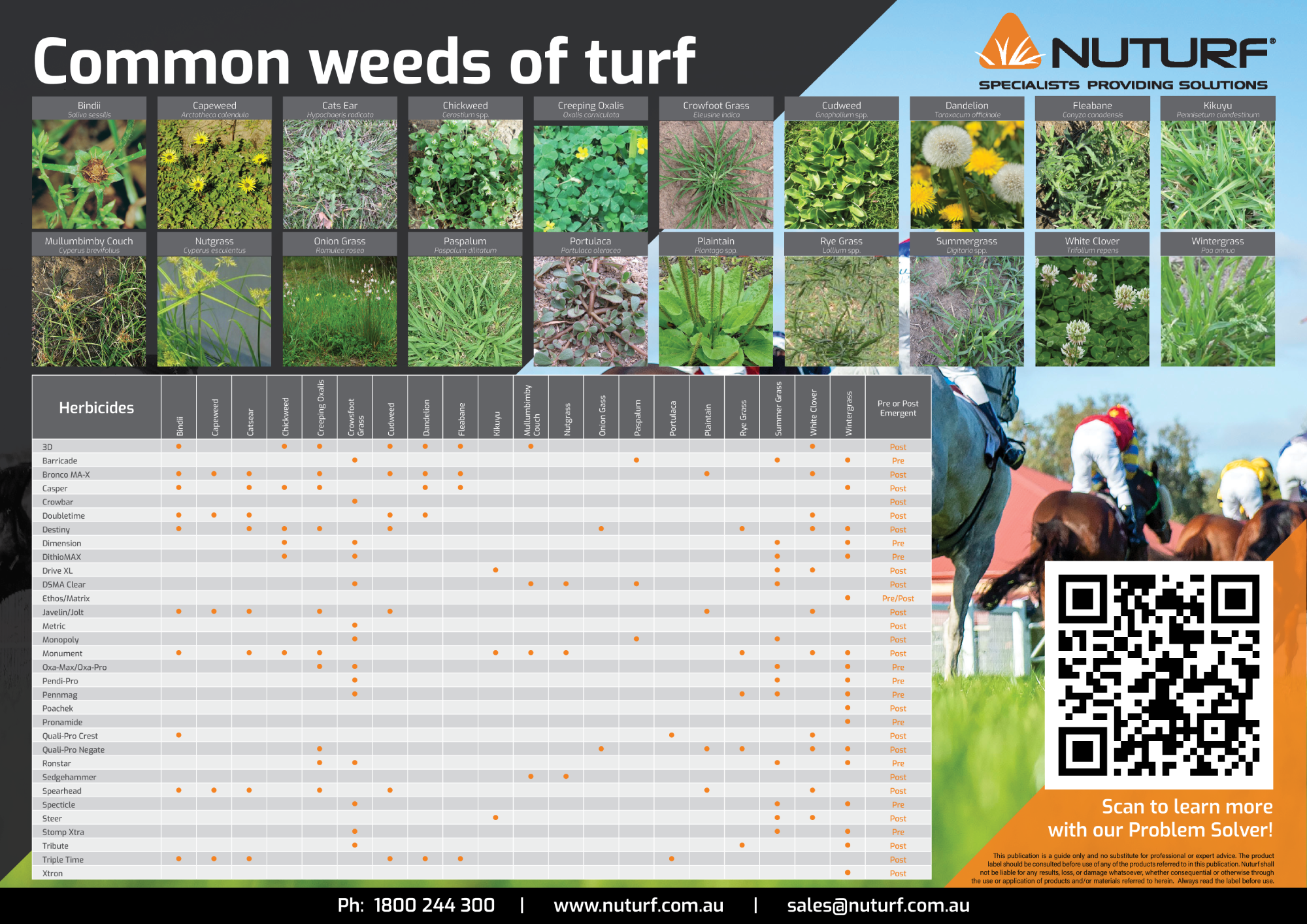
Poa annua is one of the most persistent and adaptable weeds in turf management. Its ability to rapidly evolve whether through anatomical changes, chemical detoxification, or shifting between annual and perennial forms makes it one of the most challenging species for sportsfields, golf courses, and high-use turf.
For decades, Poa management has relied on a narrow set of herbicide groups, leading to widespread resistance. The introduction of Xtron 700WG (amicarbazone) represents a valuable step forward, offering a new mode of action to rotate into programs.
How to Identify It
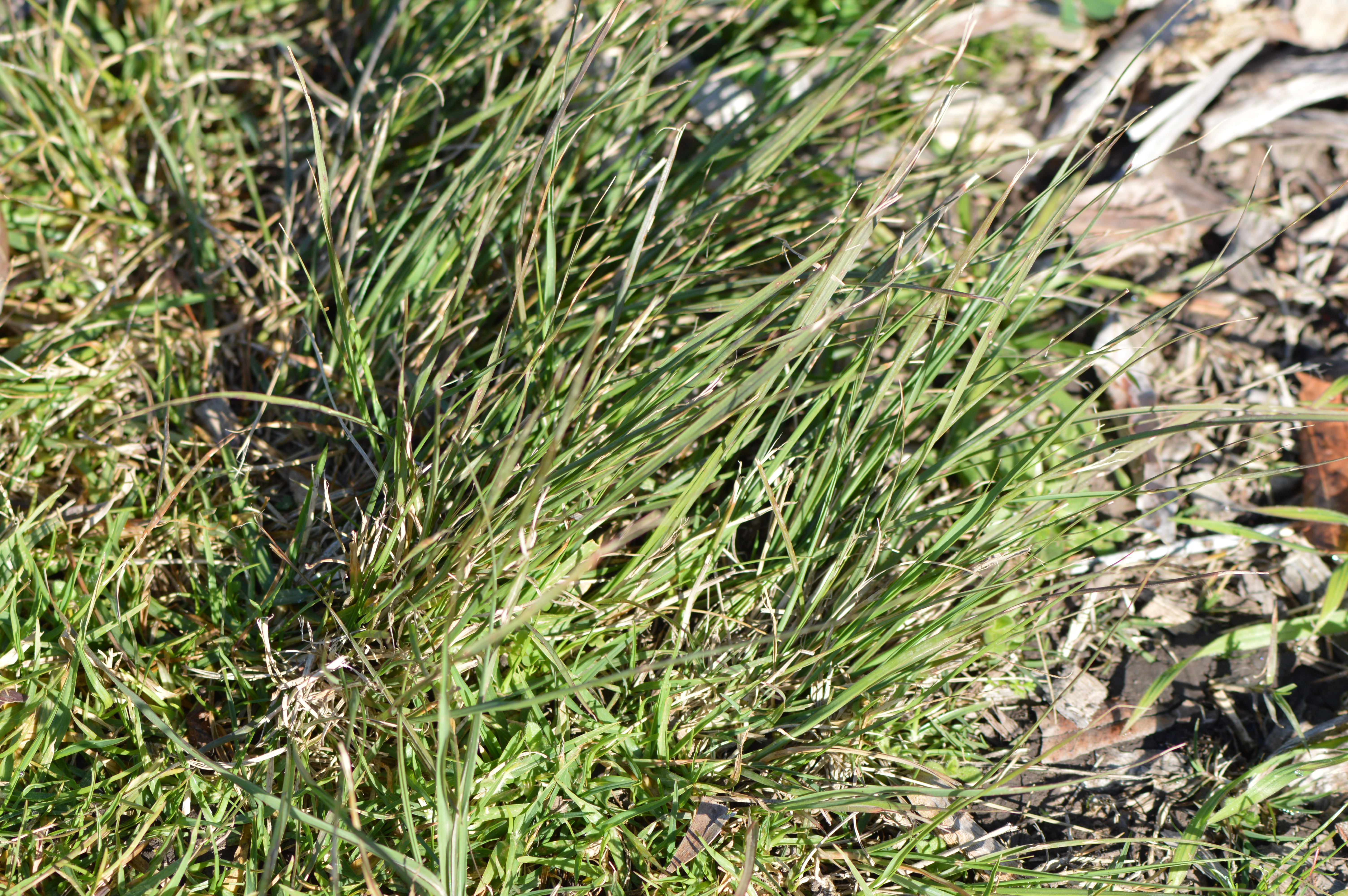
Poa is easy to spot once you’ve worked with it long enough. It typically presents as a light green, fine-textured grass that produces seedheads even under close mowing. The stand becomes patchy, weak, and aesthetically inconsistent, especially under stress. Its ability to shift between annual and perennial forms makes identification straightforward but long-term removal challenging.

Biology & Why Poa Is So Hard to Control
The biggest reason Poa is such a long-term problem is its genetic plasticity. It changes rapidly in response to selective pressure: developing resistance pathways, modifying its anatomy, and even changing its growth habit. This behaviour perfectly demonstrates Darwinian adaptation in real time.
Historically, turf managers have relied heavily on pre-emergent Group D herbicides and post-emergent Group B herbicides. Both groups were effective originally but now face widespread resistance. Group O (Indaziflam) was a valuable step forward, but the chemical toolbox has remained limited — making the arrival of a Group C herbicide particularly important.
This leads us to Xtron (amicarbazone), a Group C triazinone that targets a different part of photosynthesis, offering genuine chemical rotation rather than repeating the same mechanisms year after year.
Signs of Damage & What Poa Does to Turf
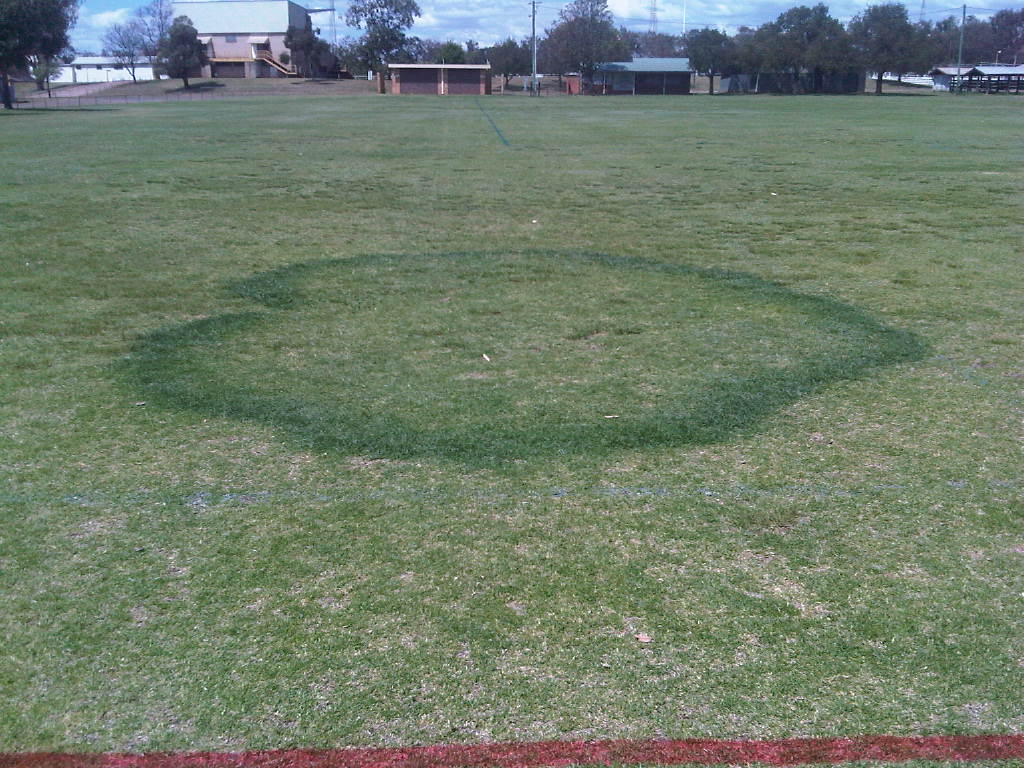
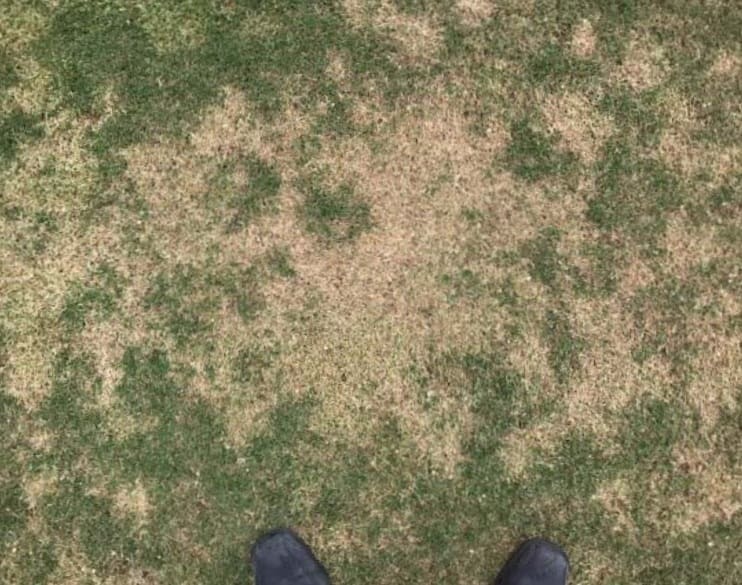
Poa annua disrupts turf uniformity and strength. Over time, Poa-infested turf becomes soft, uneven, and more vulnerable to wear. Rooting depth is reduced, stress tolerance weakens, and the surface becomes prone to disease and thinning. As Poa dominates, playability drops and recovery costs rise, particularly in high-traffic spaces like sportsfields.
How to Control & Manage Spring Poa
The key to Poa control is not relying on a single chemistry but building a program that rotates modes of action and applies products with the correct placement and timing.
Xtron (amicarbazone) introduces a crucial new option. Unlike Group B herbicides, which Poa has widely resisted, Xtron moves primarily through the xylem (upward movement) and absorbs quickly through foliage and roots. Studies show up to 50% of uptake occurs in the first three hours on the leaf, while the remainder enters via the rootzone if placed correctly. This makes spray placement essential.
For best results, Xtron should be applied with adequate spray volume a minimum of 400 L/ha, and more for dense turf — to ensure droplets coat the foliage and roll toward the crown where root uptake can occur after a light irrigation. Soil moisture before and after application is critical. Xtron performs best when soils are moist but not waterlogged or droughted, and when air and soil temperatures are rising. This is why spring programs consistently outperform autumn applications.
Symptoms can appear within 3–12 days depending on soil moisture, temperature, pH, and site-specific conditions. Local trials (such as those in Sydney in 2019) have shown quicker expression in moisture-retentive areas, reaffirming the importance of consistent soil moisture for about 10 days post-application.
Nuturf’s team can help tailor application volumes, timing and canopy considerations to suit site conditions, ensuring the active ingredient reaches both foliage and feeder roots where it performs best.
Common Questions About Spring Poa (FAQs)
-
Does Xtron replace other Poa herbicides? No, it complements them and enables proper rotation to reduce resistance.
-
Is spring really the best timing? Yes. Warming soil, increasing daylength and improving plant activity consistently deliver better outcomes.
-
How quickly should I see symptoms? Anywhere from three to twelve days depending on temperature, pH and moisture.
-
Do I need to irrigate after application? A light irrigation after several hours improves rootzone placement without interfering with foliar uptake.
-
Why is spray volume important? Low water volumes sit high in dense turf and reduce uptake. Higher volumes improve coverage and placement.