Managing Lepidoptera Grubs In Late Summer & Autumn

Managing Lepidoptera Grubs In Late Summer & Autumn
What Are Lepidoptera Grubs (Armyworms)?
Lepidoptera grubs most commonly armyworms are a major turf pest that typically emerges in late summer through autumn. Unlike spring’s common Coleoptera grubs (African Black Beetle, Billbug, Stem Weevil), armyworms arrive later in the season and can cause rapid, extensive damage if not caught early.
Because most turf managers focus heavily on early-summer grub control, late-summer infestations are often overlooked leaving turf vulnerable right when armyworm pressure peaks.
How to Identify Armyworm Activity
Armyworms have a very distinctive feeding behaviour that makes diagnosis easier than many other pests.
Key Identification Signs
-
Rapid, severe damage appearing late summer → autumn
-
A clear “front line” pattern where larvae chew turf as they move across it
-
Damage often starting next to posts, fences, buildings where moths lay eggs
-
Turf appears scalped or chewed down overnight
-
Kikuyu is highly susceptible, but armyworms feed on many turf species
Biology essentials
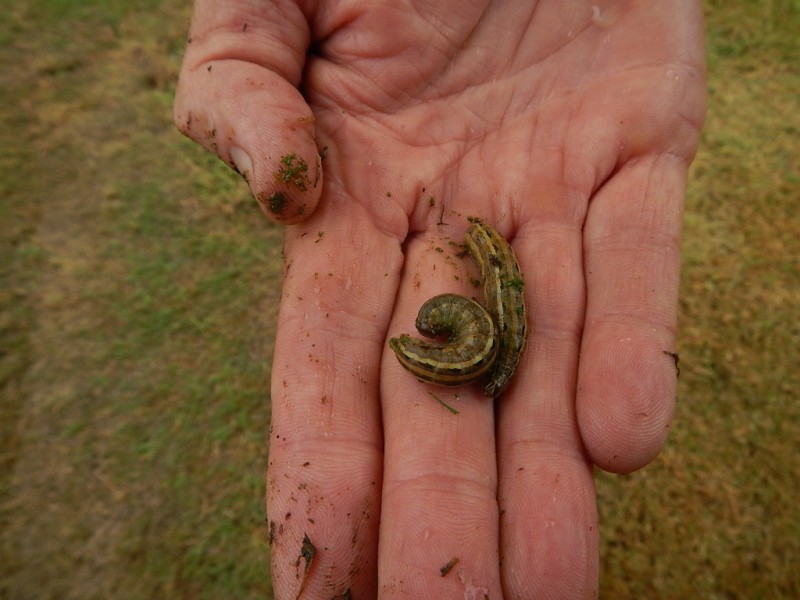
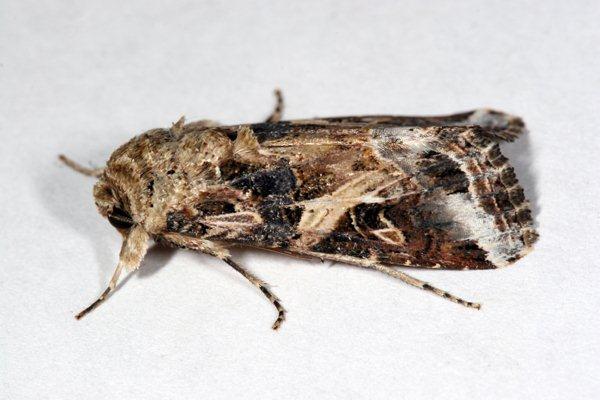
Mature moths lay eggs in mid to late summer. Upon hatching the larvae eat through their egg masses, get to the ground and start looking for food sources to dine on. They feed solidly for 2-3 weeks before moving deeper into the soil to pupate allowing adult moths to be produced once again.
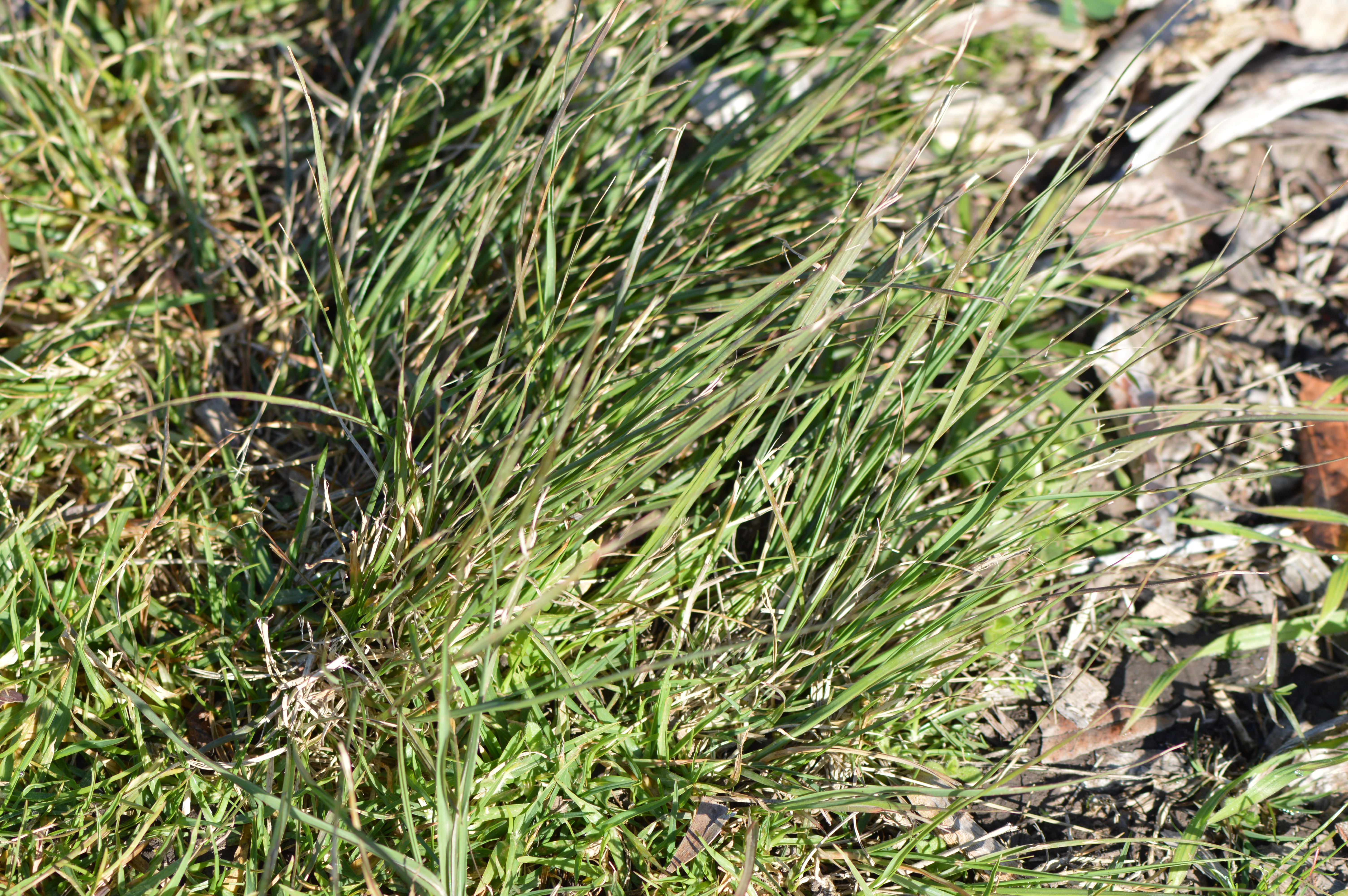
Picking the activity of army worm can be done by looking for the distinctive damage pattern. Armyworms will move across a surface, generating a discernable line like an advancing army front. Damage will often occur adjacent to structures where the egg masses were deposited (e.g. timber posts and buildings). Kikuyu has proven a very susceptible host but the armyworm is not overly fussy when it comes to its diet.
Signs of Damage & What It Does to Turf
Armyworms can devastate turf rapidly, often overnight.
Damage Symptoms:
-
Distinct “marching line” of eaten turf
-
Large patches of turf chewed down to the crown
-
Browning, thinning and scalping of affected areas
-
Damage spreading quickly across high-quality surfaces
-
Severe impact on Kikuyu, but affects all turf species
If unmanaged, armyworms can strip large areas, requiring costly recovery and renovation.
How to Control & Manage Armyworms
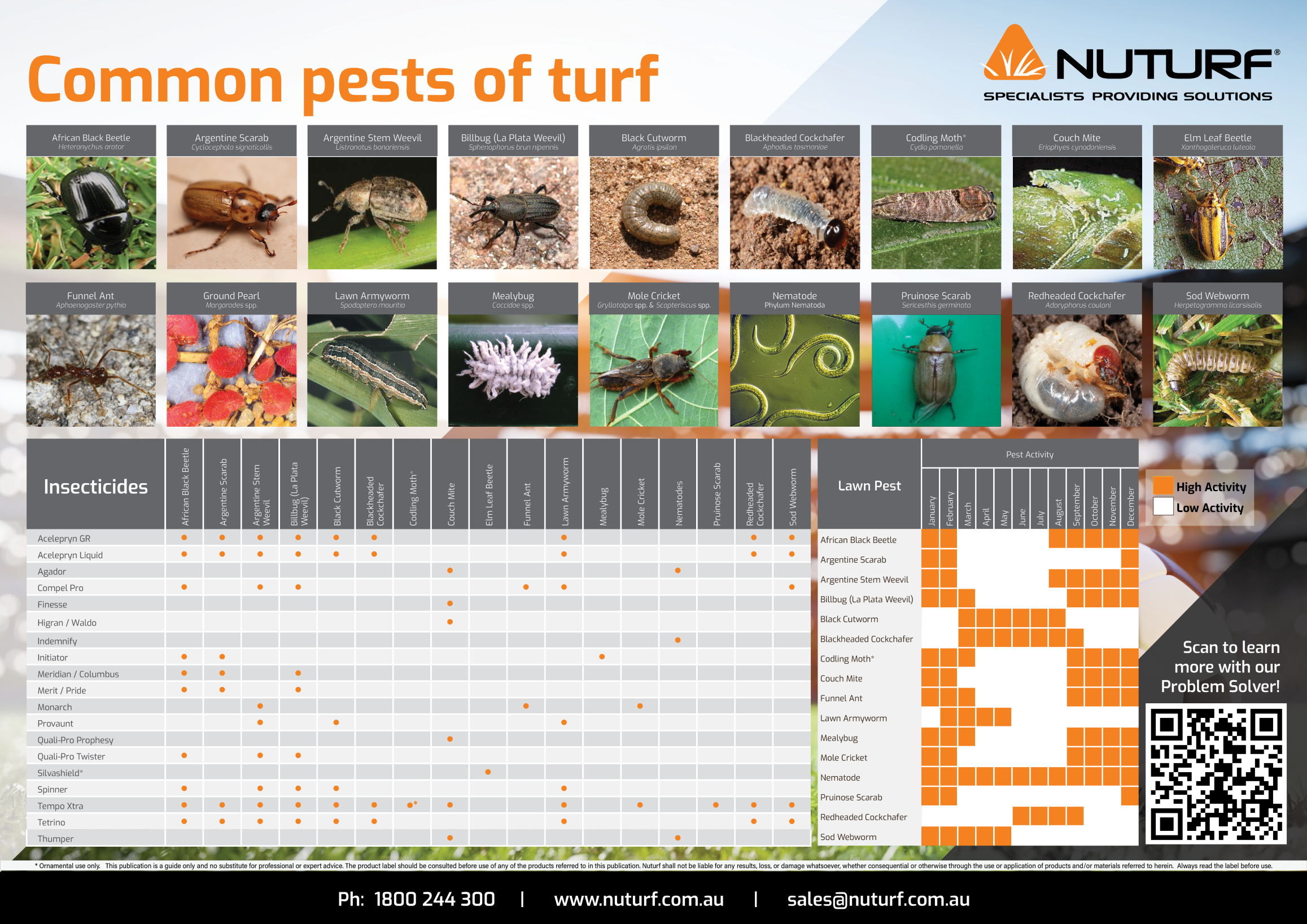
The most effective chemistry for armyworm control is the diamide insecticide Acelepryn (chlorantraniliprole). It delivers strong control of Lepidoptera grubs, has excellent safety credentials (exempt from scheduling), and is preferred for late-summer and autumn outbreaks.
Indoxacarb is another proven option for Lepidoptera and is commonly used in late summer/autumn where approvals allow. Pyrethroids such as Bifenthrin (Compel Pro) also provide reliable control and a different mode of action, making them useful for chemical rotation or where budget is a factor.
Neonicotinoids are not effective on armyworms they are suited to Coleoptera pests (black beetle, billbug) and fit spring timing, not late-summer outbreaks. Because armyworm activity typically appears 5–6 months after spring grub treatments, many turf managers use a split Acelepryn program with one application in Sept/Oct and another in February.
When applying Acelepryn specifically for armyworm, delay mowing and irrigation for 24 hours.
Nuturf offers a full suite of options to suit different budgets and application preferences, including Acelepryn in both liquid and granular form. The granular option is increasingly popular for ease of use in public open spaces and carries the same exemption from scheduling, meaning no specialised PPE is required.
Common Questions About Armyworms (FAQs)
-
Why didn’t my spring grub treatment stop armyworms? Because spring treatments target Coleoptera pests. Armyworms arrive months later and require Lepidoptera-specific chemistry.
-
Why do armyworms appear near fences or posts? Adult moths lay egg masses on vertical structures, and larvae drop to the turf after hatching.
-
Is Kikuyu the only grass affected? No, Kikuyu is highly susceptible, but armyworms feed on many warm- and cool-season species.
-
Can armyworms destroy turf overnight? Yes. Large populations can strip turf extremely quickly.
-
What’s the safest and strongest product? Acelepryn outstanding efficacy, long protection, and exempt from scheduling.