How to Remove Rye from Over Sown Sportsfields

How to Remove Rye from Over Sown Sportsfields
The two-grass system has become increasingly common across sportsfields that demand strong presentation, winter resilience and consistent playing quality. Perennial ryegrass is the preferred cool-season option because of its rapid establishment, colour, wear tolerance and ability to perform well from late summer right through winter. But for most venues, rye is only ever intended as a temporary surface. Once spring arrives, the priority becomes removing rye efficiently so the couchgrass underneath can rebound early and make full use of the warm-season growing window. A timely rye removal program strengthens spring recovery, improves couch density and ensures the surface is prepared for the next oversow cycle.
Key Challenges & Considerations
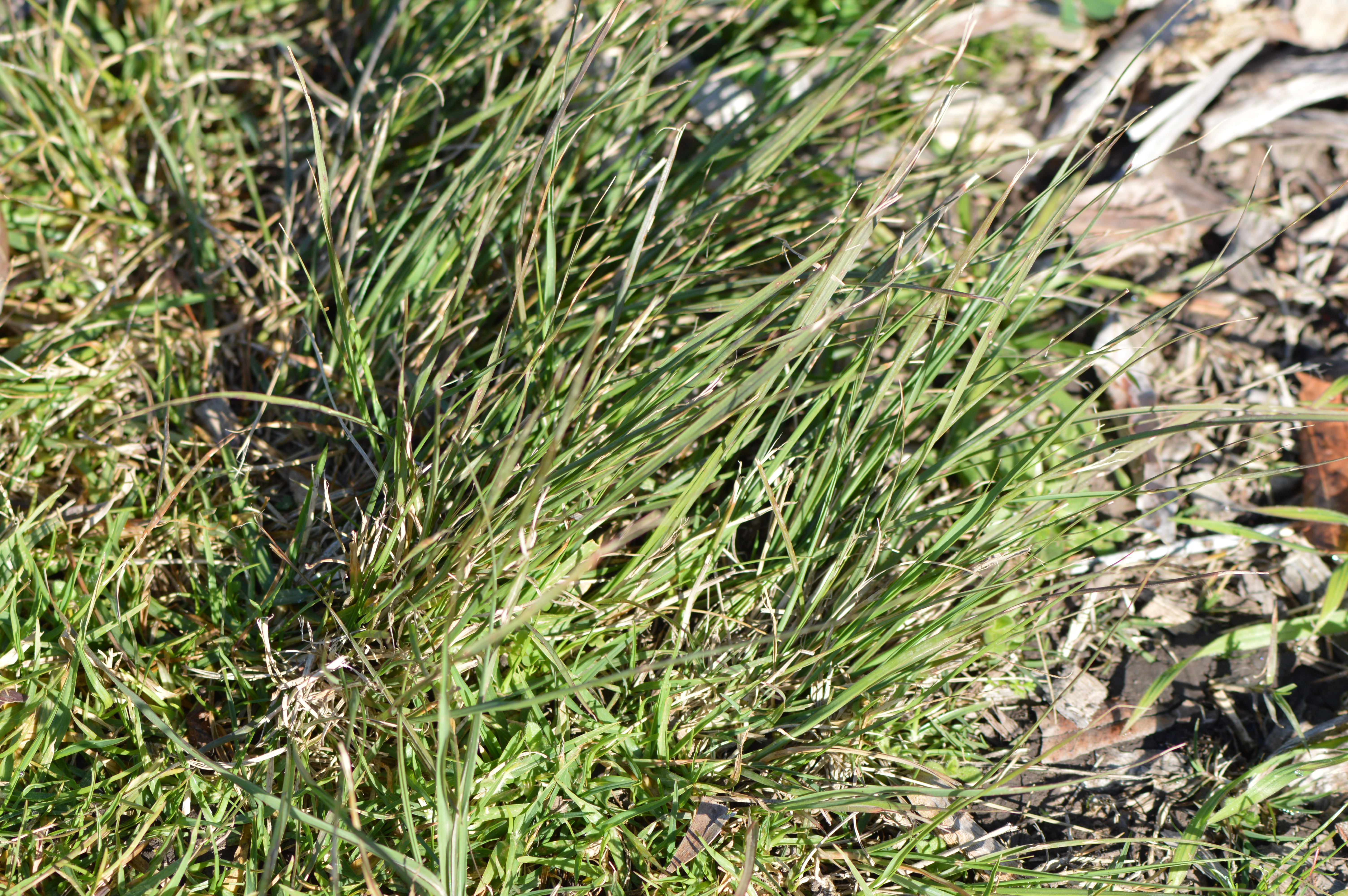
While ryegrass delivers clear winter benefits, it becomes a tough competitor the moment temperatures start to rise. It competes aggressively for light, nutrients and space, but it also competes chemically through allelopathy releasing natural biochemicals that suppress couch growth. This creates a weak, thin couch base at the start of spring unless rye is removed decisively.
Relying on natural transition is rarely successful. Modern perennial rye varieties are extremely resilient, and when spring is cool or wet, they often persist far longer than desired. This delays couch bounce-back, shortens the warm-season growth window and compromises surface quality heading into summer. Turf managers must also work within real-world scheduling constraints, meaning the “ideal window” is often determined by sports programming rather than agronomy.

Preparation & Timing Requirements
In theory, rye removal is most effective when air and soil temperatures are rising consistently. In practice, turf managers often have only a short gap between winter sport finishing and pre-season requirements for the next code. The removal window is therefore dictated by site-specific timing, not perfect environmental conditions.
Understanding this reality is important because it influences which tools will give the most reliable result. When environmental conditions are not ideal, chemical options tend to provide the greatest consistency. Temperature still plays a role SU herbicides generally perform faster as temperatures rise but correct product choice and precise application are the foundation of success.
Core Management Strategy for Effective Rye Removal
The two primary approaches to rye removal are chemical control and mechanical removal, although their reliability differs considerably.
Chemical Removal Using Sulfonyl Ureas (SUs):
SU herbicides have become the leading option for rye removal due to their unique mode of action and ability to fully kill ryegrass even at low doses. Their slow movement through plant tissues means activity is gradual—especially in cool conditions but this slow, steady translocation is exactly why they achieve complete control on difficult grasses and sedges.
Because they move slowly, adjuvants are crucial. If a label recommends an adjuvant, it must be included to ensure the herbicide remains on the leaf long enough for sufficient uptake. Each SU has slightly different selectivity and safety profiles, especially regarding warm-season species. Sites with kikuyu must be particularly mindful, as fewer products are suitable.
As spring progresses, rising air and soil temperatures naturally improve SU speed and consistency, helping assist the transition.
Mechanical Removal:
Mechanical removal such as aggressive scarifying combined with a significant lowering of height of cut—can weaken ryegrass by tearing it out and stripping its competitive advantage. While often useful as part of surface renovation, it can be unreliable when used alone. Many turf managers report incomplete removal or variable results, which is why mechanical methods are typically used only to supplement a chemical program rather than replace it.
Managing Risks, Monitoring & Ensuring Full Transition
Rye removal programs must include consistent monitoring for escapes. SU herbicides have a higher known resistance risk because they target one very specific biochemical pathway. While rye itself has not shown widespread resistance, escapes can occur if:
-
coverage was poor
-
adjuvant was omitted
-
environmental conditions slowed uptake
-
resistant individuals already existed in the population
If isolated rye plants survive treatment and it is clear they were not simply missed they should be removed promptly, even manually. Allowing them to set seed introduces resistant genetics into the seedbank, making future transitions more difficult.
Once rye is controlled, supporting couch recovery becomes essential. Timely nutrition and early-spring management help the couch rebound strongly and regain dominance before temperatures peak.
How Nuturf can help you
Our team have customers all over the county for whom transitioning rye grass is an annual task. We can therefore help you get the best result possible by allowing you to benefit from the experience our team has. We stock all the major SU chemistries that act as chemical removal tools and can help you optimize your application process with the manufacturer recommended adjuvants. Post removal nutrition needs are another area we can assist you with, to ensure your turf gets the best spring bounce possible. Nuturf has the technical expertise and vast resources around the country to assist all customers with their broader programming needs.