How to Nurture Oversown Sportsfields

How to Nurture Oversown Sportsfields
The interaction of nutrition, plant protection and regulation
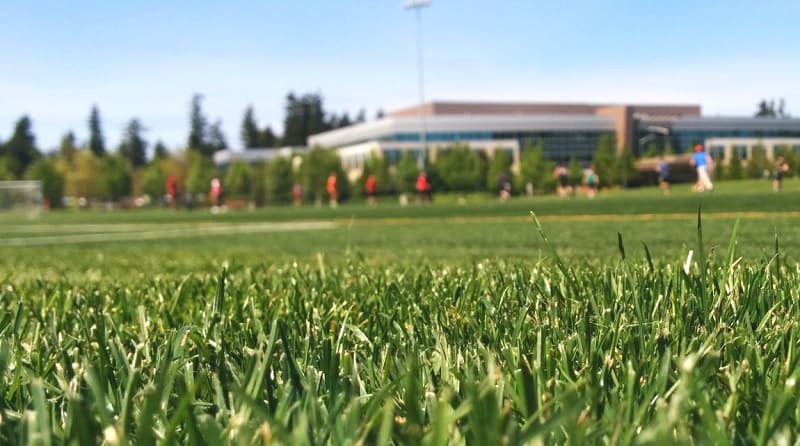
Maintaining a high-quality surface after oversowing requires balancing the needs of two turf species during a period of intense competition. Once perennial ryegrass is established over a warm-season base, the challenge becomes nurturing the rye through winter while ensuring the couch base is not compromised. This stage is where smart integration of nutrition, plant protection, and growth regulation becomes essential. While the seasons change and product choices adjust, the fundamental principles of turf management remain unchanged: deliver light, water and oxygen, support healthy growth, prevent disease and optimise plant function.
Key Challenges or Considerations
Oversown winter rye surfaces face several predictable pressures. Rye behaves differently across autumn, mid-winter and early spring, making nutrition timing tricky. Foliar pathogens thrive because of dew and guttation, forcing disease protection to be proactive rather than reactive. And because rye naturally grows vigorously, regulating growth for quality not just quantity becomes essential. Managing these three elements together is what elevates surface resilience, density and presentation through the cooler months.
Preparation & Pre-Program Requirements
Before moving into your full winter program, it’s important to understand how ryegrass behaves:
-
Rye shows strong growth in autumn and spring but slows significantly in winter.
-
Guttation fluid on leaf tips contains sugars and organic acids that feed foliar pathogens.
-
Early nutrition should support establishment without creating weak, lush foliage.
-
A foundation Pythium program should already have been applied at oversowing.
Understanding these seasonal tendencies helps you place nutrition, fungicides and PGRs at the right time for maximum return.
Core Management Strategy for Winter Performance
The backbone of nurturing oversown sportsfields rests on three interconnected pillars: nutrition, disease protection, and growth regulation. These do not operate independently when applied in harmony, they reinforce each other and create significant compounding benefits.
Nutrition:
Rye requires a more adaptive nutrition strategy than warm-season grasses. Early in establishment, use an NPK fertiliser with some upfront N but a majority controlled-release component. A small phosphorus inclusion helps drive early rooting and establishment, even when soil P appears adequate. As winter progresses, nitrogen requirements moderate, while potassium becomes increasingly important to build structural strength, stress-tolerance and resilience. Breaking the season into smaller nutritional “windows” helps you avoid over-application, soft growth and unnecessary leaching.
Foliar Disease Protection:
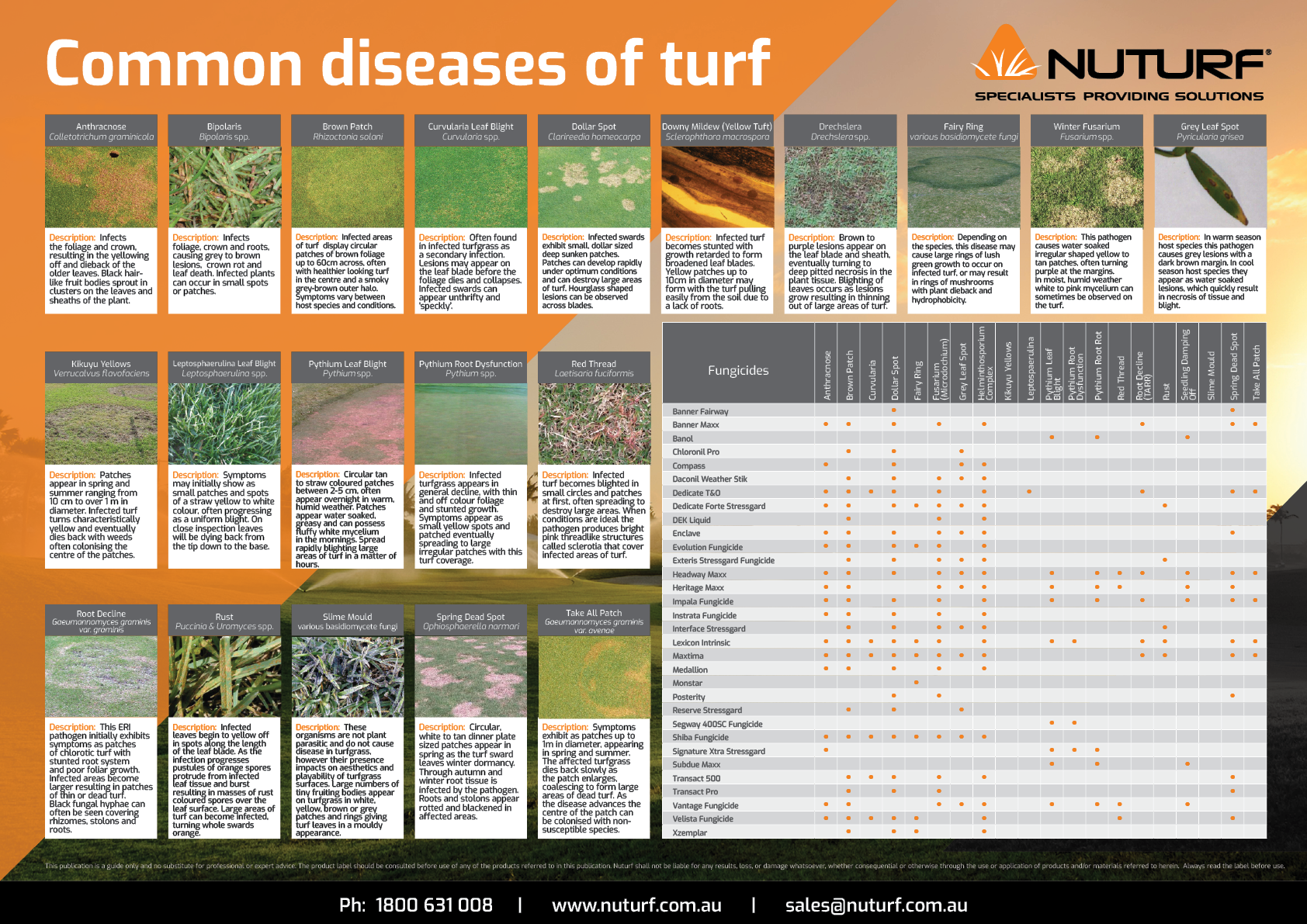
After establishment, the main disease threats shift to foliar pathogens encouraged by dew and guttation. The droplets seen on rye in the morning aren’t just water they contain plant sugars that fungi love. Regular applications of contact or locally systemic foliar fungicides, applied with nozzles optimised for leaf coverage, provide ongoing protection during this vulnerable period. Continuous protection is far more effective than treating outbreaks reactively.
Growth Regulation:
Trinexapac is less about restricting growth and more about enhancing quality. By reducing cell elongation, the plant redirects energy into deeper rooting, better tillering, improved shade tolerance, and stronger anchorage. Instead of producing excessive leaf growth that is cut off at mowing, the plant invests carbohydrates into structural improvements that hold up under stress. The result is a denser, greener, stronger rye surface with improved stability and wear tolerance.
When nutrition, protection and regulation are aligned, turf performance improves exponentially:
-
Nutrition fuels growth.
-
Regulation ensures that growth is directed toward density, strength and resilience rather than excessive foliage.
-
Fungicides protect the high-quality leaf and crown tissue that regulation helps optimise
How Nuturf can help you
We can talk you through the integrated approaches that can deliver outstanding rye based turf surfaces in winter. We already work with some of the countries premier sports surfaces and can share our learnings with you.
Nutrition needs are covered by anything from slow release granular products with a variety of NPK options to foliar fertilisers for those on sand profiles.
Fungicide needs are covered with a generous range of broad spectrum fungicides for management of foliar pathogens in established surfaces.
Growth regulation is covered by various trinexapac formulations to suit budgets and surfaces. Both ME and EC formulations are available.
Nuturf also has the technical expertise and vast resources around the country to assist all customers with their technical, programming or purchasing needs.