Golf Course Autumn Renovations: Strobilurin and potassium

Golf Course Autumn Renovations: Strobilurin Suitability and the Potassium Pendulum
Autumn renovation season provides a valuable opportunity to reset bentgrass greens after the pressure of summer. As turf re-enters an active growth phase, managers can carry out the cultural practices needed for long-term surface health yet this same renovation work temporarily creates stress and vulnerability within the plant. Two tools in particular support a smoother, safer and more successful renovation window: strobilurin fungicides, which protect the plant during this vulnerable phase, and potassium, a nutrient with critical but often under-recognised roles in plant resilience. This guide explains why both matter and how to use them effectively during autumn renovations.
How Strobilurins Protect Bentgrass During Renovations
The Role of Strobilurins in Renovation Programs:
Strobilurins have a long-standing place in turf disease programs, but because they carry a moderate resistance risk they are generally limited to no more than one-third of an annual program, rotated with other activity groups across the year. In golf, three key windows consistently benefit from well-timed strobilurin use: autumn renovations, spring renovations, and the Christmas/New Year high-pressure period.
What makes strobilurins particularly azoxystrobin suited to renovation is their broad spectrum, strong residual activity and ability to move through the root system, delivering whole-plant protection. Renovation practices such as aeration, scarifying and topdressing physically disturb the canopy and soil, creating a temporary vulnerability where opportunistic pathogens can invade. The slow, steady movement of strobilurins works perfectly here, but only when used preventatively. Their slower mobility compared with triazoles means they perform best when applied before symptoms appear, giving the chemistry time to build a protective reservoir in the soil and begin distributing through the plant.
Understanding the Potassium Pendulum:
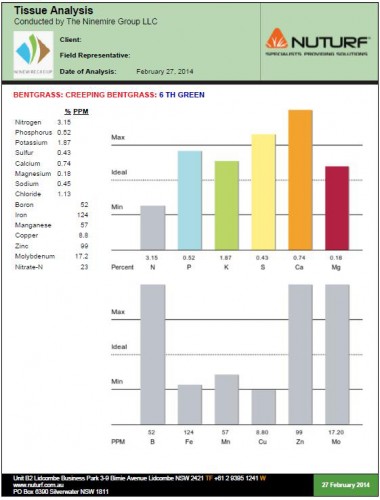
Potassium has gone through huge shifts in perceived importance over the decades, yet it remains essential for turf resilience. K does not always produce immediate, visible results like nitrogen or iron, which is why it is sometimes underestimated. Its roles are more indirect but incredibly important supporting enzyme activity, ATP production, structural strength, sugar transport and especially water balance. Turf that appears to be suffering from irrigation issues or hydrophobicity may in fact be struggling with potassium deficiency.
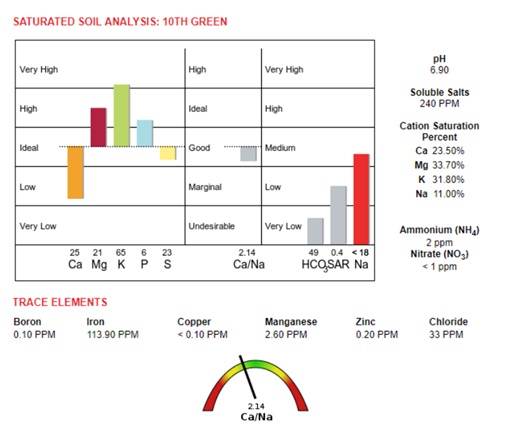
In sand-based greens, potassium can be depleted quickly both in the soil and within plant tissues, especially with high mowing frequency. Sodium in irrigation water can also displace potassium from soil exchange sites, worsening the imbalance. Because potassium deficiency first appears in older tissue, managers can easily miss early signs if they focus only on new growth.

The Role of Potassium in Turf Health & Autumn Recovery
To get the most out of strobilurins during autumn renovations, timing is crucial. Applying azoxystrobin a few days before renovation begins allows the product to settle into the soil, begin root uptake, and build a reservoir that protects the plant throughout the most disruptive period. Once renovation equipment begins working the surface, the turf already has systemic protection in place for the critical early recovery phase.
Managing potassium during this period is equally important. As renovation temporarily disrupts roots and leaf tissue, the plant relies heavily on internal strength, water efficiency and structural stability—all of which are supported by adequate potassium levels. A consistent and well-timed K program helps turf withstand renovation stress and bounce back more quickly.
Practical Insights for Stronger Renovation Outcomes
Autumn presents a unique combination of conditions that make both strobilurins and potassium particularly important. Turf is shifting out of summer stress and back into active growth, renovation work disrupts the canopy, dew and cooler nights increase foliar moisture and many sand-based greens are already operating with low potassium reserves. If irrigation water quality worsened through summer, sodium competition may further reduce available K. Together, these factors create a period where preventative fungicide protection and strong potassium support significantly improve renovation outcomes.
To summarise key Autumn-specific watch-outs in a simple way:
-
Renovation injury increases attractiveness to opportunistic pathogens.
-
Dew and cooler nights boost conditions for disease spread.
-
Sand-based greens often enter autumn already low in K.
-
End-of-summer water quality can worsen sodium pressure, further displacing potassium.
These overlapping factors make this one of the most important windows to integrate both tools.
How Nuturf can help you
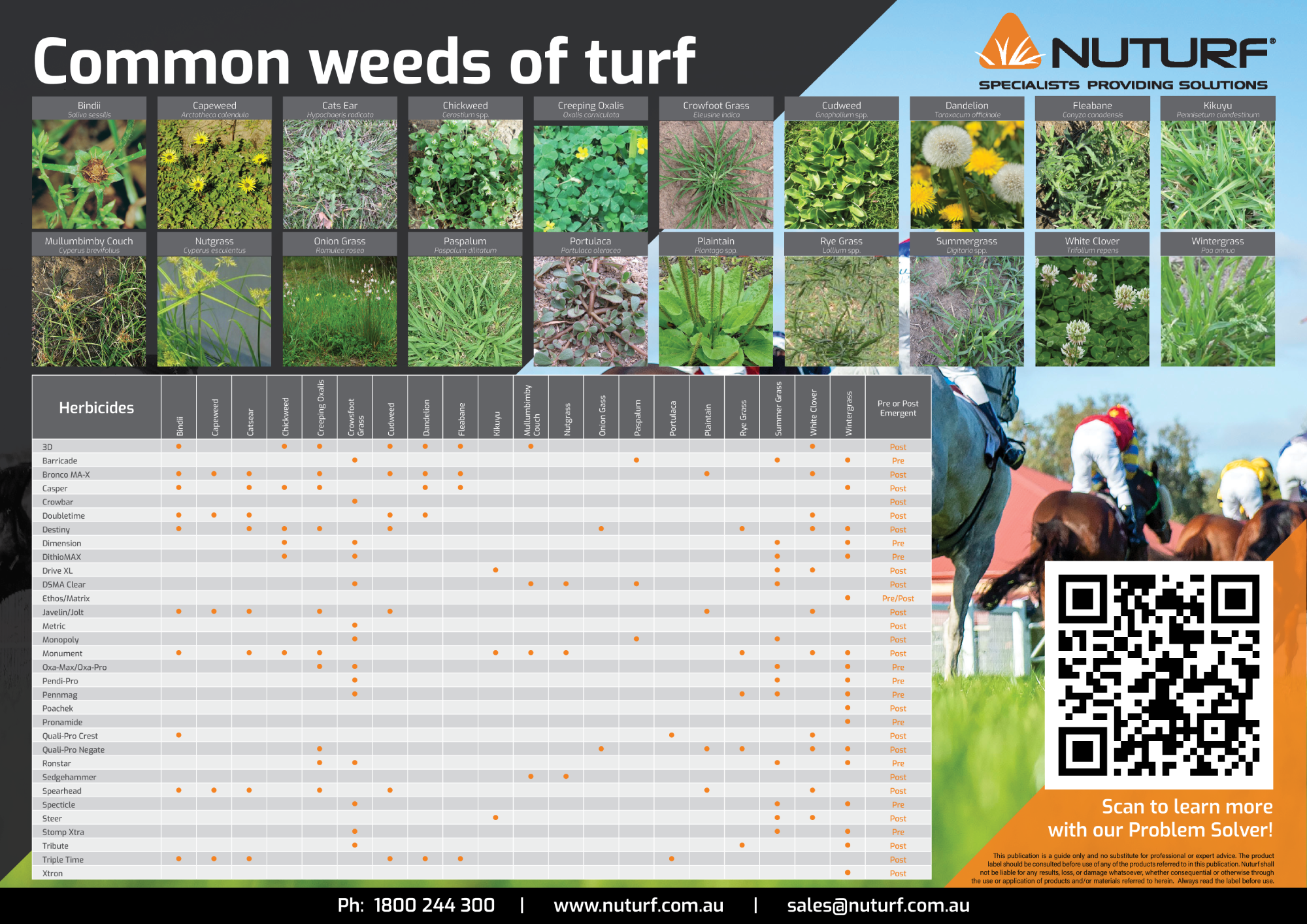
Nuturf provides strobilurin fungicides both straight formulations and strobilurin–triazole combinations—to suit the renovation period and ensure broad-spectrum protection. Our team can help determine the ideal timing, rotations and compatibility with renovation scheduling.
We also offer a wide range of potassium nutrition products, including advanced slow-release formulations that maintain a steady supply of K through the entire renovation and early-recovery period. With deep technical expertise across Australia, Nuturf can help you build a renovation plan that balances protection, recovery and sustainable plant health.