Barley Grass

Barley Grass

Scientific Name:

Hordeum leporinum (syn. Hordeum murinum subsp. leporinum, Critesion murinum subsp. leporinum)

What is Barley Grass?

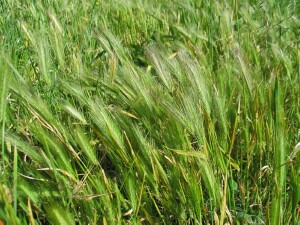
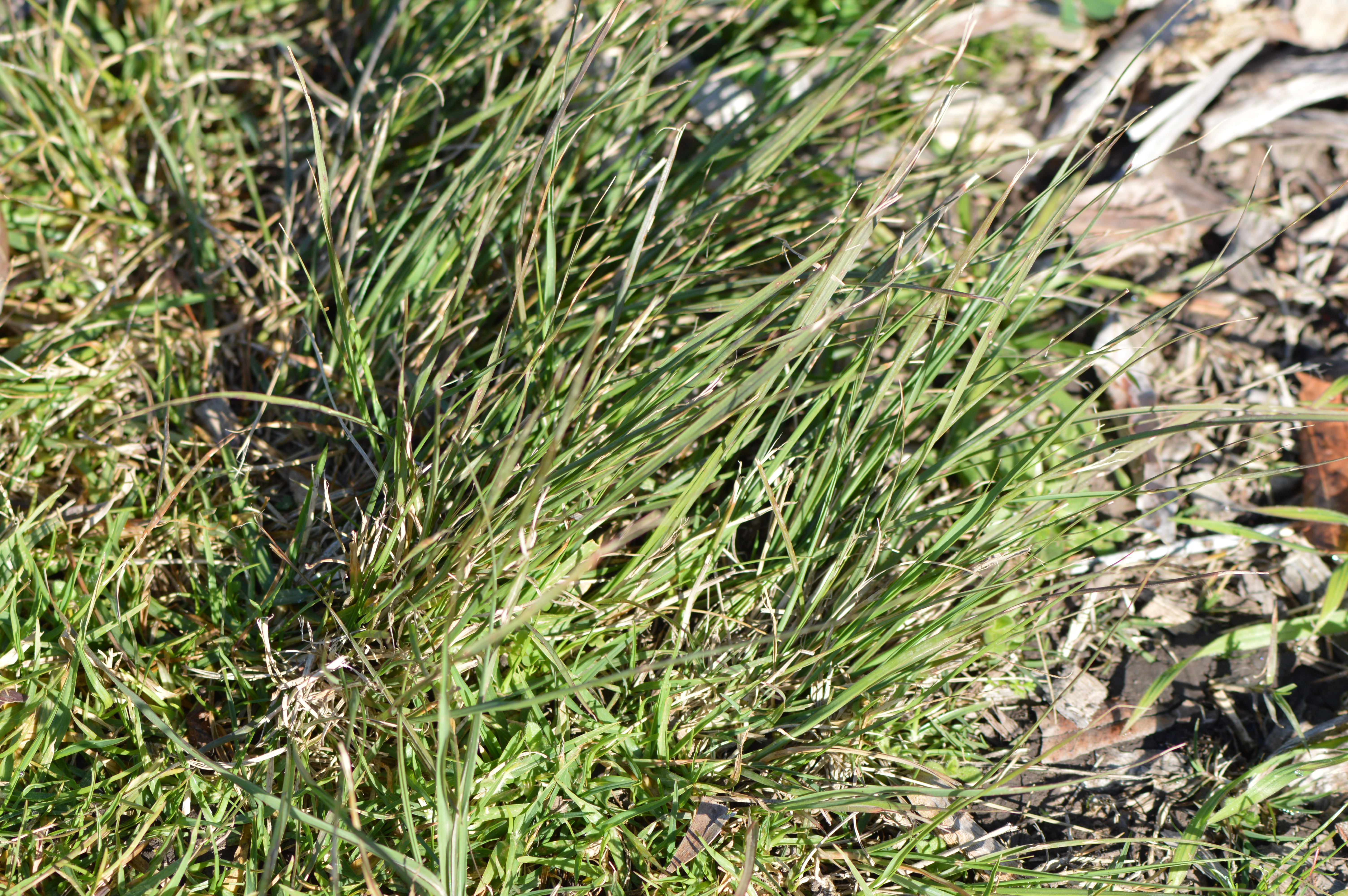
Barley Grass is a soft, relatively hairless annual grass that produces the well-known bristly, foxtail-like seed heads. It is a widespread weed across pastures, crops, turf edges, open spaces and roadsides, especially in regions with cool, wet winters and warm springs.

The grass grows quickly during winter and reaches full maturity by spring, when the seed heads become prominent. Once the heads dry out, they easily break apart and spread, allowing the weed to infest large areas rapidly. 

Signs of Damage & What Barley Grass Does

You may be dealing with Barley Grass if you see:

  • Bristly, foxtail-style seed heads forming in spring

  • Soft, upright stems with minimal leaf hair

  • Fast winter growth that forms clumps in pastures or turf

  • Seeds that easily attach to clothing, machinery or animals

  • Thick patches that stand out from desirable grasses

Barley Grass can cause several issues:

  • Competes strongly with pasture species and desirable turf

  • Reduces feed quality for livestock

  • Seed heads can irritate the eyes, mouth, ears and feet of animals

  • Creates dry, unsightly patches as it matures and dies off

  • Contributes to reinfestation through large seed production and easy spread

Left unmanaged, Barley Grass can dominate large areas, especially in disturbed soils.

How to Control Barley Grass

Controlling Barley Grass involves stopping seed production and strengthening desirable grasses.

Cultural & Preventative Control

  • Maintain dense, healthy turf or pasture to reduce opportunities for germination

  • Avoid overgrazing, which opens the canopy for weed invasion

  • Mow or slash early in the season to prevent seed heads forming

  • Reduce soil disturbance that encourages annual weeds

Mechanical Control

  • Hand removal or hoeing is effective for small patches before seeds develop

  • Dispose of seed heads to prevent spread

Chemical Control

Selective herbicides can be effective when applied:

  • Early in growth, before seed head emergence

  • When grasses are young and actively growing

Follow label directions and ensure compatibility with your turf or pasture species.

Ongoing Monitoring

Because Barley Grass produces abundant seed, monitor treated areas through winter and spring and remove young plants before they mature.

Common Questions About Barley Grass (FAQs)
  • When does Barley Grass usually appear? It germinates in winter and produces seed heads in spring.

  • Can mowing stop it from spreading? Only if done early. Once seed heads form, mowing can spread seeds.

  • Why does it spread so easily? Its foxtail-like seeds attach to animals, machinery and clothing.

  • Is it harmful for livestock? The sharp seeds can irritate eyes, mouths, feet and skin.

  • What’s the best time to control it? Before seed heads appear ideally during early growth.


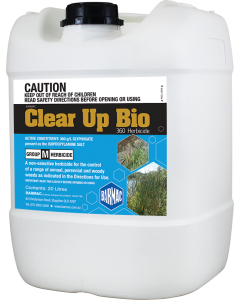
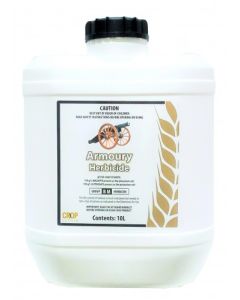
Product Solutions for Barley Grass