Amaranthus

Amaranthus

Scientific Name:

Amaranthus spp.

What is Amaranthus?

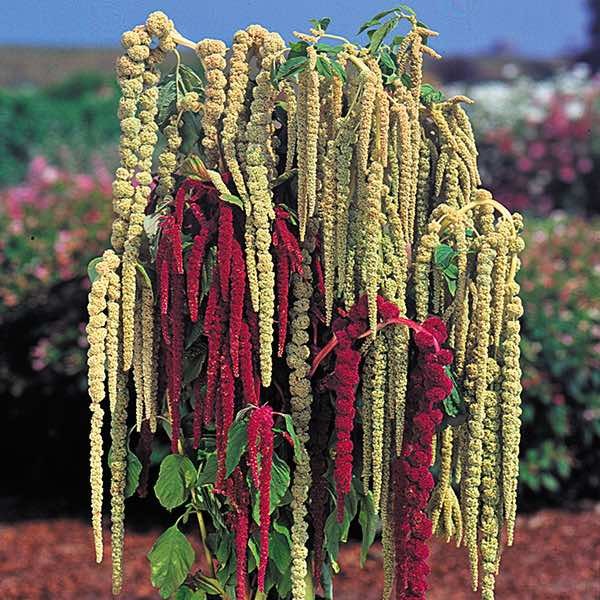
Amaranthus (commonly called amaranth or pigweed) is a widespread group of annual or short-lived perennial plants found across Australia. While some species are cultivated as leafy vegetables, pseudo-cereals or ornamentals, many others are aggressive summer annual weeds.

Amaranthus plants produce dense, catkin-like flower spikes during summer and autumn, and their foliage can range from green and gold to deep red or purple depending on the species. With more than 60 recognised species, this genus is known for its ability to thrive in disturbed soils, warm temperatures and high-nutrient environments making it a persistent problem in turf, landscapes, cropping areas and unmanaged sites.

Signs of Damage & What Amaranthus Does

You may be dealing with Amaranthus if you notice:

  • Fast-growing, upright weeds appearing in summer

  • Broad leaves with prominent veins and sometimes reddish colouring

  • Dense flower spikes forming at the tips of stems

  • Thick stands of weeds that outcompete desirable grasses

  • Weeds that grow rapidly after rain or soil disturbance

As a weed, Amaranthus:

  • Competes heavily with turf and plants for light, nutrients and water

  • Grows rapidly, leading to patchy or weakened turf

  • Produces large amounts of seed, contributing to long-term reinfestation

  • Thrives in high-nitrogen or disturbed areas, making it difficult to control once established

Left unmanaged, Amaranthus can dominate open ground during summer, reduce turf quality and create significant maintenance pressure.

How to Control Amaranthus

Effective control requires both active treatment and prevention:

Cultural & Preventative Control

  • Maintain healthy, dense turf to limit weed germination

  • Avoid excessive nitrogen fertiliser that encourages rapid weed growth

  • Reduce soil disturbance where possible

  • Remove small plants before they seed

Mechanical Control

  • Hand-pulling or hoeing works well for small infestations

  • Ensure complete removal of the root system to avoid regrowth

Chemical Control

Herbicide treatment is often required for established weeds.
Use registered selective herbicides appropriate for your turf or vegetation type, and apply when weeds are young and actively growing.

Follow with regular monitoring to prevent reinfestation, as Amaranthus produces a very large seedbank.

Common Questions About Amaranthus (FAQs)

  • Why does Amaranthus appear mostly in summer? It is a warm-season annual weed that germinates and grows rapidly in hot weather.

  • Can mowing control it? No. Mowing may reduce height but does not stop regrowth or seed production.

  • Why is it hard to get rid of? It produces large quantities of seed, which can remain viable in soil for years.

  • Does fertiliser make it worse? Yes. High nitrogen encourages rapid weed growth.

  • When is the best time to treat it? When the plants are young and before seed heads form.


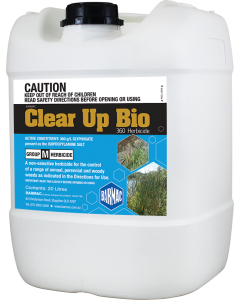
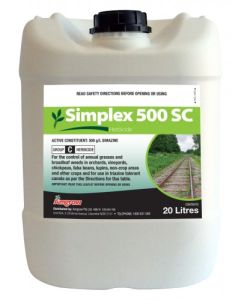
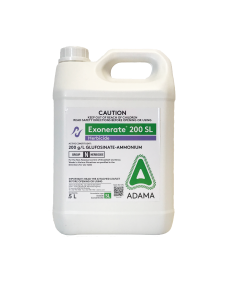
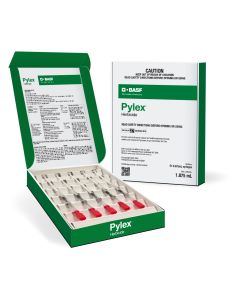
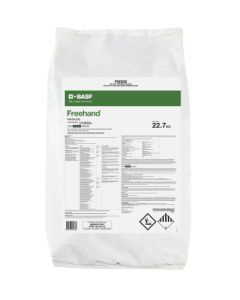
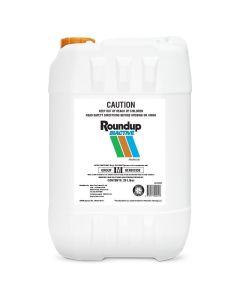
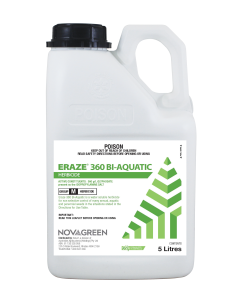
Product Solutions for Amaranthus