Algae

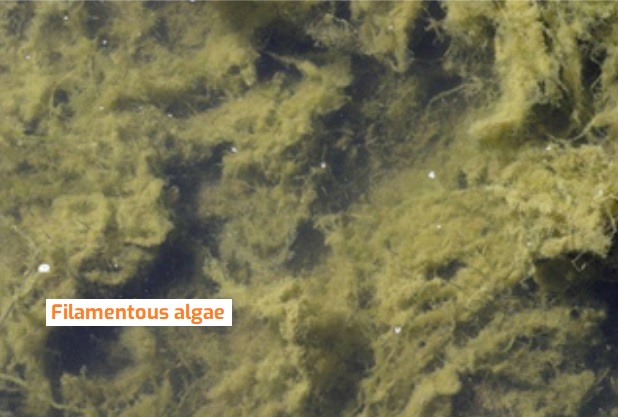
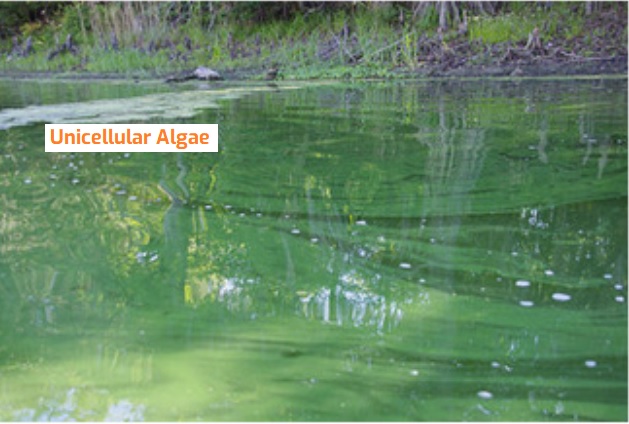
AlgaeWhat is Algae?Algae in irrigation dams and water bodies generally appear in two main forms filamentous algae and unicellular (planktonic) algae, including blue-green algae (cyanobacteria). Filamentous algae are the stringy, mat-forming masses commonly seen clinging around dam edges or floating in thick layers. These mats block fittings, restrict water flow and reduce the visual quality of the water. Unicellular algae are microscopic, single-celled organisms that often create a slick or green tint across the water surface. This group includes cyanobacteria (blue/green algae), which pose a significant health and safety risk because of the toxins they can produce. These algae are small enough to travel through irrigation systems, where they block sprinklers, coat nozzles and leave residue on turf surfaces. Both forms can rapidly multiply, especially in warm, nutrient-rich water, leading to large and persistent blooms that disrupt irrigation, plant health and site safety. |
|
|
Signs of Damage & What Algae Does to Water SystemsAlgae can cause multiple issues across irrigation systems, water bodies and turf facilities. You may be dealing with algae if you notice: Physical & Mechanical Damage
If left unmanaged, algae can escalate quickly, impacting turf, irrigation performance, dam health and overall water safety. How to Control AlgaeManaging algae involves treating the current bloom and preventing future outbreaks. When algae are active, algaecides are often needed. Traditional copper sulphate can work, but it becomes inactive quickly in hard water, can stain dam edges, and may harm aquatic plants and animals. A better option is complexed or chelated copper algaecides, which stay active longer, work at lower rates and avoid staining. These products deliver copper in a stable form, making them more reliable and safer for the environment. Long-term control depends on managing nutrients in the water. Algae thrive on nitrogen and phosphorus, so regular water testing and reducing fertiliser runoff are essential. After treatment, dead algae release nutrients back into the water, which can trigger new blooms. Using nutrient-binding products helps prevent this cycle. Ongoing monitoring checking nutrient levels, improving water movement and watching for early signs of regrowth is key to maintaining clear, healthy water. Common Questions About Algae (FAQs)
|
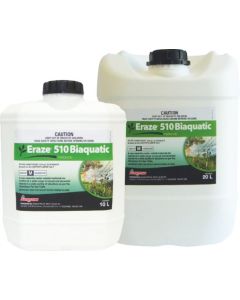
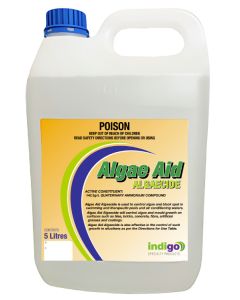
Product Solutions for Algae